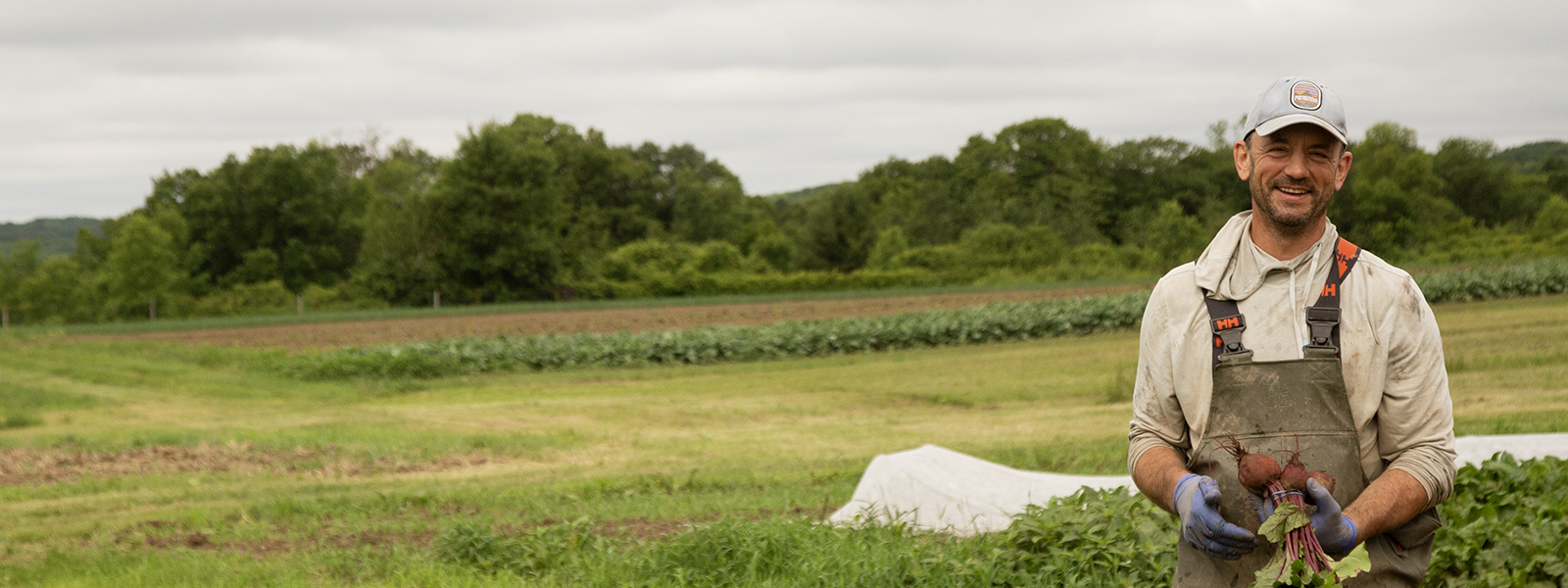
An interview with Michael Noreen of Burning River Farm. Words and images by Iglika Petrova (a devoted Mill City Farmers Market shopper).
“I love people who just naturally have morals, manners, self-awareness, common sense and consideration for others. The kind who doesn’t need to be told how to be kind, who move through the world gently, who think before they speak, the ones who care. They don’t make noise about their goodness. They simply are.” — Anonymous
That is how I would describe Mike from Burning River Farm, both in his approach to life and to farming. I suspect that he will disagree with me, as he is very humble and modest. But I believe that he is a very rare kind of human being. The kind that has a set of personal beliefs and values that put care above all and filter every decision he makes through them. And that is very, very hard to do for most humans.
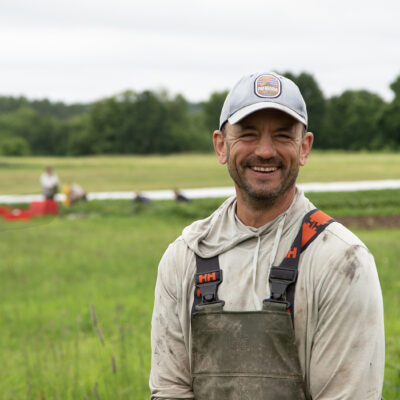

One thing I noticed when talking to Mike is that he has a moral hierarchy that sometimes overrides conventional farming business logic. His farm is his way of making a living, but also a way he connects with the natural and human world around him. He puts people—his employees, his customers—and the health of the land he farms first. And I got the impression that to Mike, the business part of farming is not the ultimate thing. The people and the quality of what his farm produces come first.
When I asked Mike what keeps his interest in the work despite its challenges and naturally slim margins, he said: “I think food is important. It’s important to me. It’s human. It’s important to other people. I used to have much more of an attitude that running a farm like this is kind of anti-corporate and is working against “the system”. But I don’t really feel that way anymore. I feel like it’s more about the individuals that we’re providing food for, and those that choose to buy food from us who make the most of our customers. Whether it be that is their food ethic and their life ethic, they search out not only the most sustainable, but the best quality, best tasting food.”
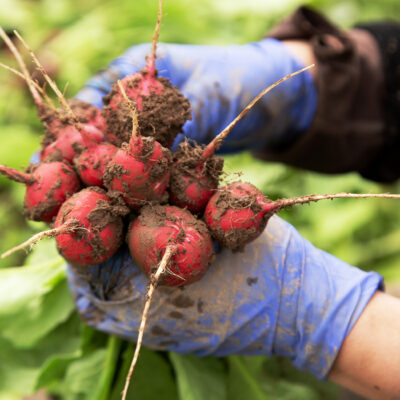
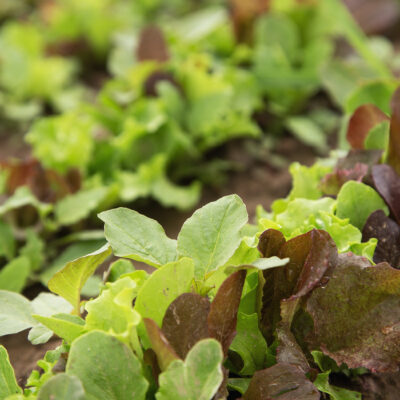
I can tell that to Mike, the kind of experience people are having is very important. This includes the customers, but it isn’t limited to them. He says it makes him “stupidly happy” when customers are happy with what they’ve bought. And I can sense his sincere appreciation when he talks about how grateful he is to the customers at the farmers market.
Likewise, he wants the people who work for him to feel that working there is worthwhile by paying them fair wages, even if it means that at the end of the season, he might be at a loss. And that quality of Mike, I think, is rare—the amount of care for others, the goal of doing things right.
That’s why Mike is so intentional about selling the freshest produce, especially when that produce is in season. He won’t sell produce from the week before, only what he harvested days before the market. And it’s why he doesn’t want to underpay workers simply because the economics of farming are difficult.
To Mike, ultimately, it’s all about the people and the food.
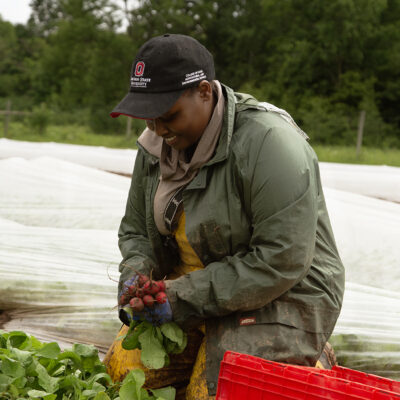
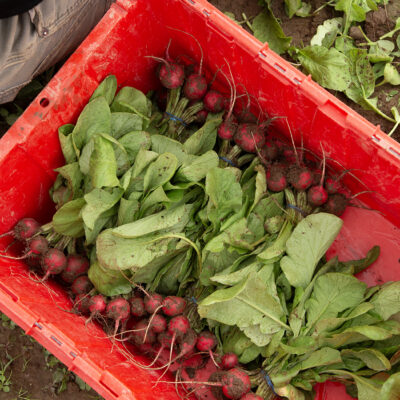
When I asked him what inspired him to do farming, he said: “I feel like people deserve better things, not in terms of having better luxuries, but just our basic life things. Like the quality of the food we eat and the small pleasures of life, like having a good meal.”
That very simple but powerful value of his has been the driving force of everything he does and how he does it. But when I told Mike that I saw passion for the work as one of the things that keeps him going, he corrected me. “I have a passion for the outcome,” he said.
And I think that distinction explains a lot about the way Mike farms. If the outcome matters, then every step along the way has to be considered in relation to it. What will create the best experience for the people who eat his food? What will create the right conditions to grow that food? The outcome becomes the thing that guides all those small decisions along the way.


Interestingly and unexpectedly, Mike doesn’t have a romanticized view of farming. As he says: “You can’t do agriculture without obstructing nature. So, it’s about damage and repair, damage and repair. The reality is, because we have to produce a certain amount of crops, we’re tilling more than I would like—which always damages the soil—and then we have to repair that damage with cover crops.”
The other thing that stood out to me is that Mike doesn’t put the farm above the people. A lot of people can become so committed to a mission that the mission starts justifying everything. Mike seems to do the opposite.
If a particular way of farming or selling the food is going to burn him out, he changes it. If a crop isn’t workable, he stops growing it. If a way of organizing the farm isn’t sustainable for the people involved, he changes it. He doesn’t want to keep going with his original idea at all costs.
Even his relationship with the crops reflects that same idea of care rather than control. As Mike says: “We’re not working on the crops. We’re working on the conditions. They know how to grow if they have the right conditions.”
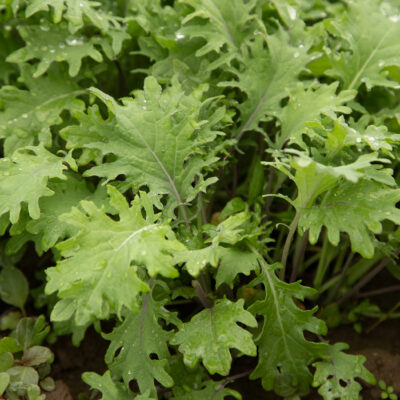
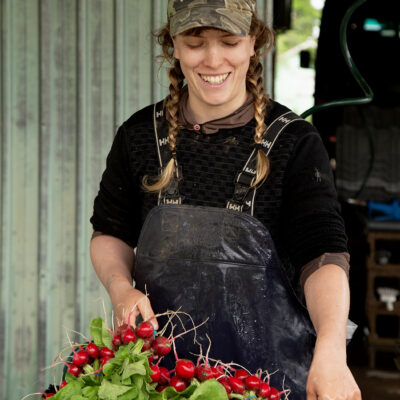
He tries to create the conditions the crops need, protecting vulnerable crops from pests by putting covers before the pests arrive, and keeping the soil alive through cover crops and organic matter. He’s not trying to force the crops to do what he wants. He’s trying to give them what they need and then let them do what they naturally do.
That same way of thinking also seems to shape where and how Mike chooses to sell his food. When I asked Mike what role Mill City Farmers Market played for him, he replied: “I still remember going to Cafe Brenda many years ago and asking Brenda if she would be interested in any of my crops I was planning to grow. And she replied, ‘No, I am covered, but we are starting this farmers market, so maybe you should apply to that.’ I had the idea of selling to restaurants but then I pivoted and started selling at MCFM, and selling there was instrumental for the success of the farm and opened the doors to other farmers markets.”
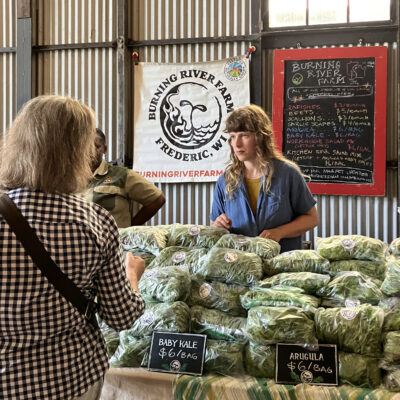
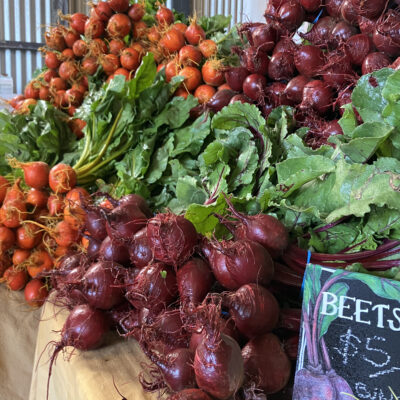
What made the farmers market especially important to Mike wasn’t only that it gave the farm a place to sell its produce. It gave him a way to be connected to the people eating it. He told me that selling at the market is the most connected way he can do what he does because he gets to see his customers face to face.
What stood out to me the most about Mike and his approach to people and farming is the saying, “How you do one thing is how you do everything.” The internal barometer through which we filter our decisions really matters. The care we put into minor acts reveals our character and our approach to life. Integrity and discipline are muscles, and Mike’s farming isn’t just his livelihood—it’s the way he chooses to live. And that is why I think his produce tastes so great. We can taste the care he has for his land, his employees and the experience of his customers.
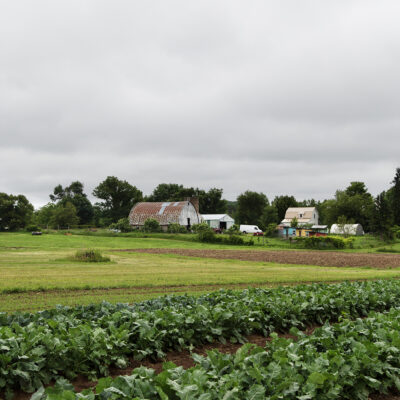

You can find Mike, his wonderful staff, and all their fresh produce at their Burning River Farm booth on Saturdays from May through October, plus at the Indoor Winter Market inside the Mill City Museum!