
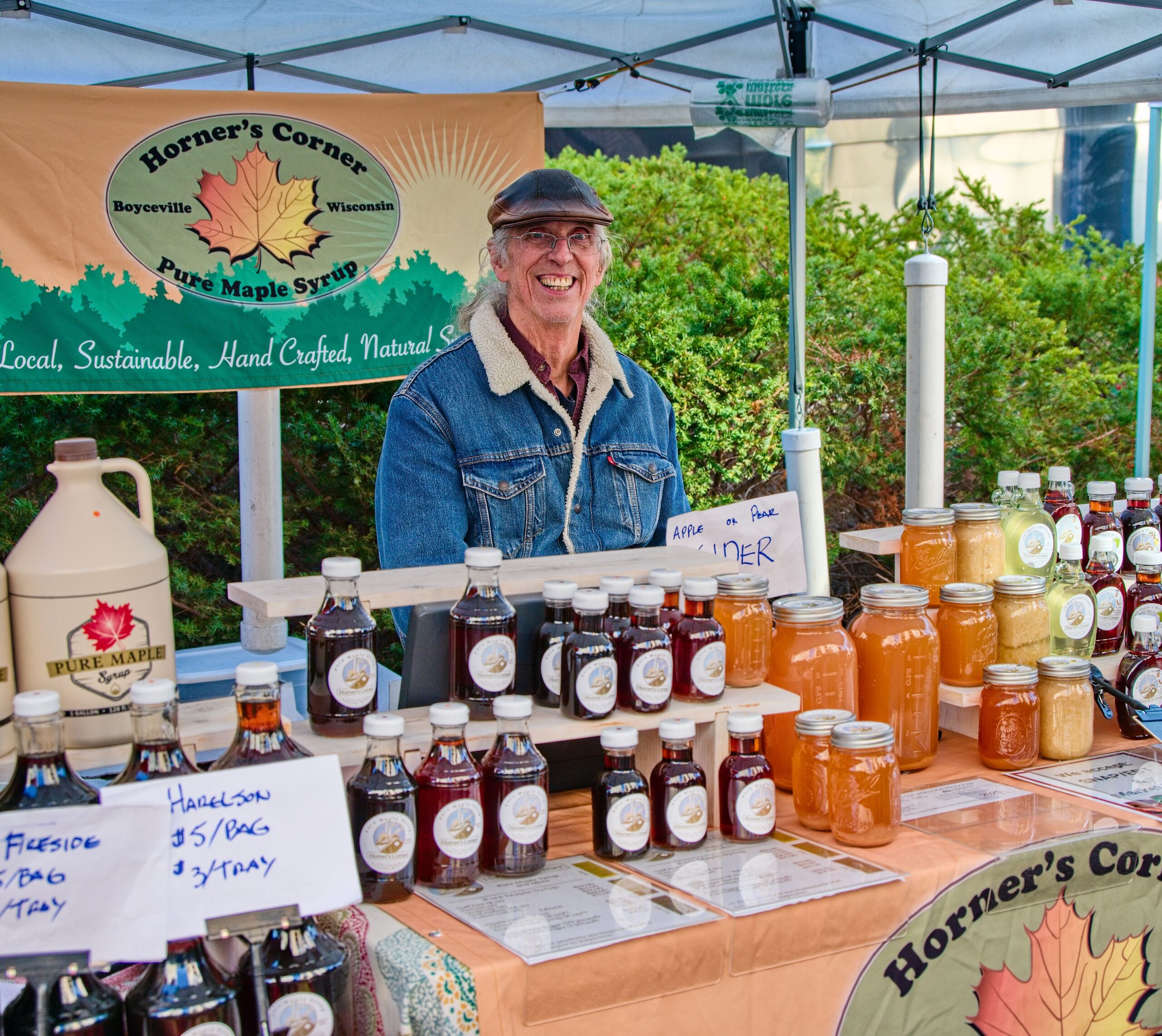
Have you ever wondered how Steve Horner got into syrup making? Here’s the story behind Horner’s Corner from the man himself, plus learn more about the science of syrup making and get some delicious ideas for using his maple products
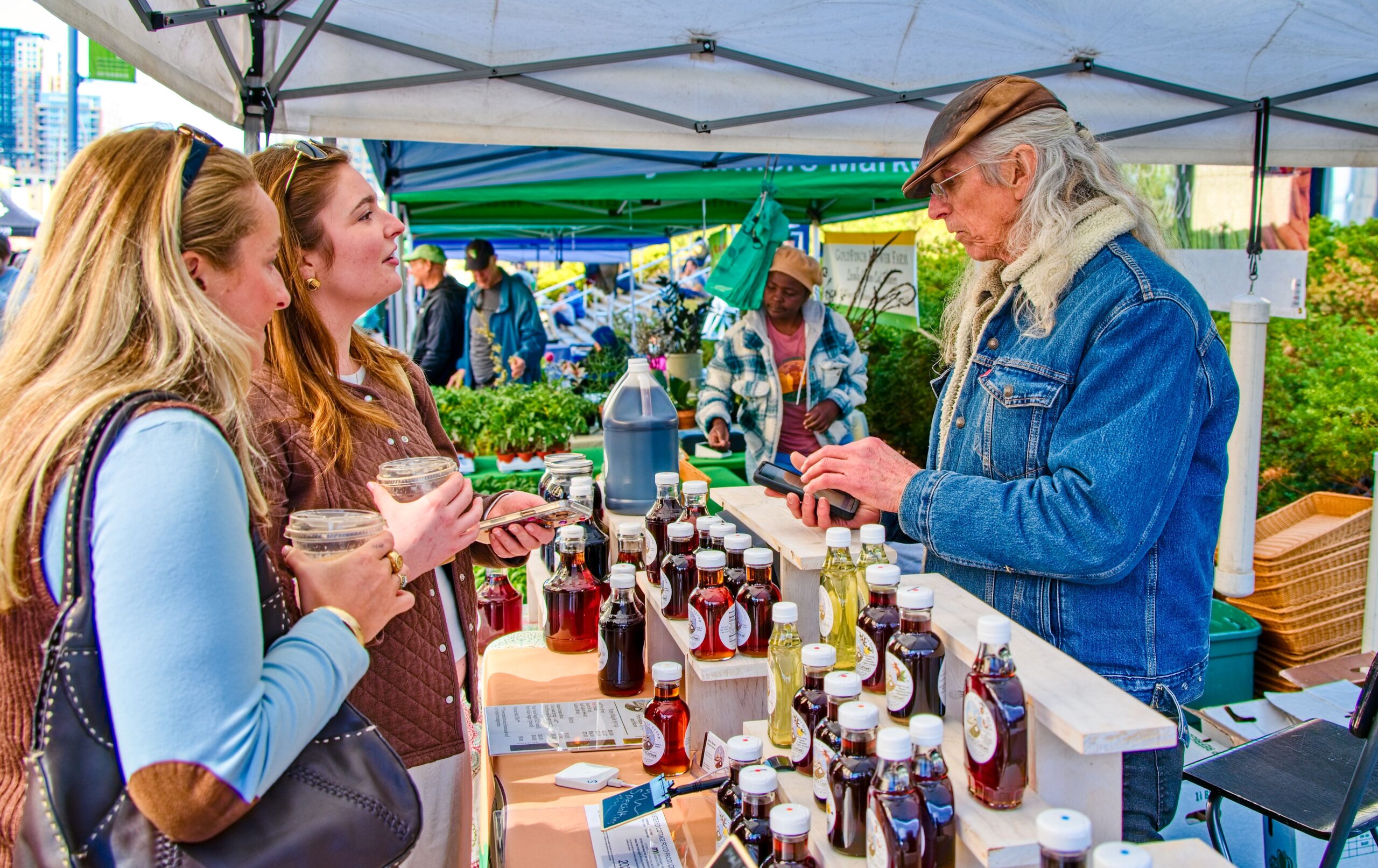
You can find Horner’s Corner on the Chicago Mall on alternating Saturdays with pure maple syrups, maple cream and sugar, cider vinegars and more! Click here for a list of upcoming market dates.
How did you come to be a producer of maple syrup, fruits and cider?
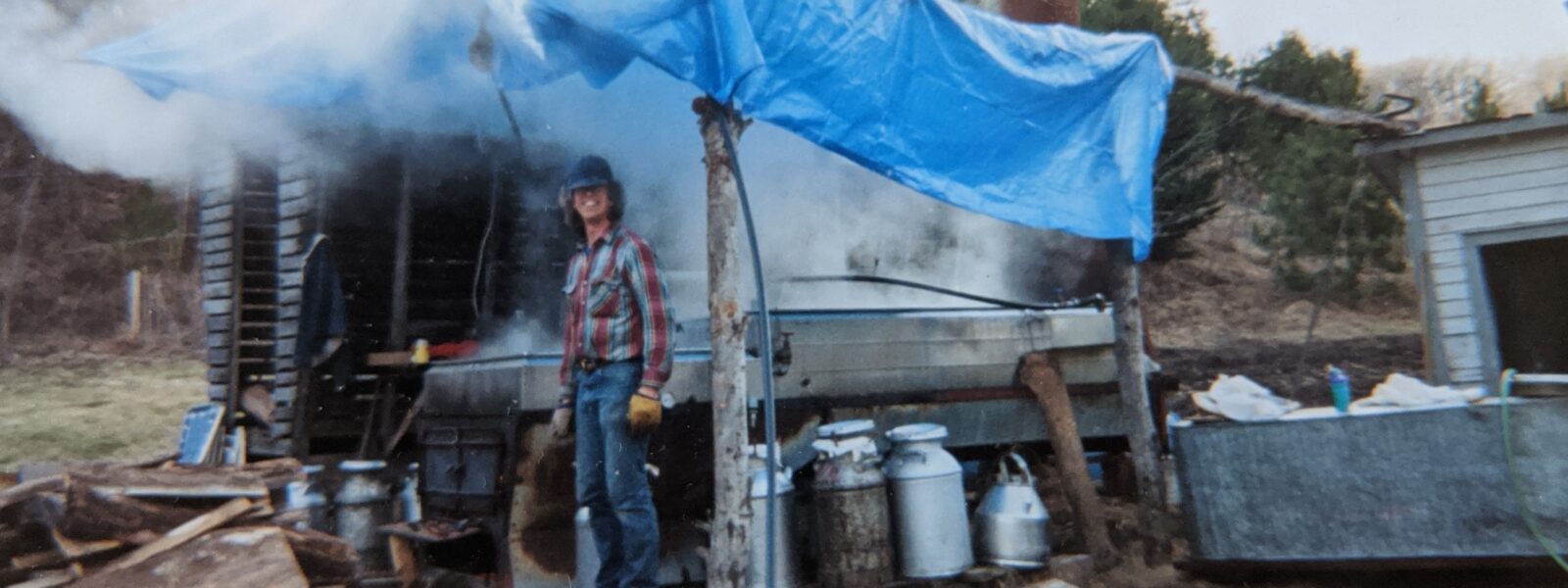
“Growing up in St Paul, my father loved gardening and growing fruit and everyone in our large family including me had roles in the garden, berry patches, and the little orchard he created. The produce was essential in feeding the family. Maple syrup and confections were one of his favorite treats while I was growing up and of course mine too, but we couldn’t afford it all the time. Then, 44 years ago, while I was living near Forest Lake on 7 partially wooded acres, I began creating my own version of the family garden. One Saturday afternoon in March waiting for spring, I saw a half hour show on PBS on backyard maple syrup production, and I said “I think I can do that”. The next day I used a bunch of small pipe fittings I had, tapped several maples in my small woods, collected some sap and cooked that down to my first cup of maple syrup.
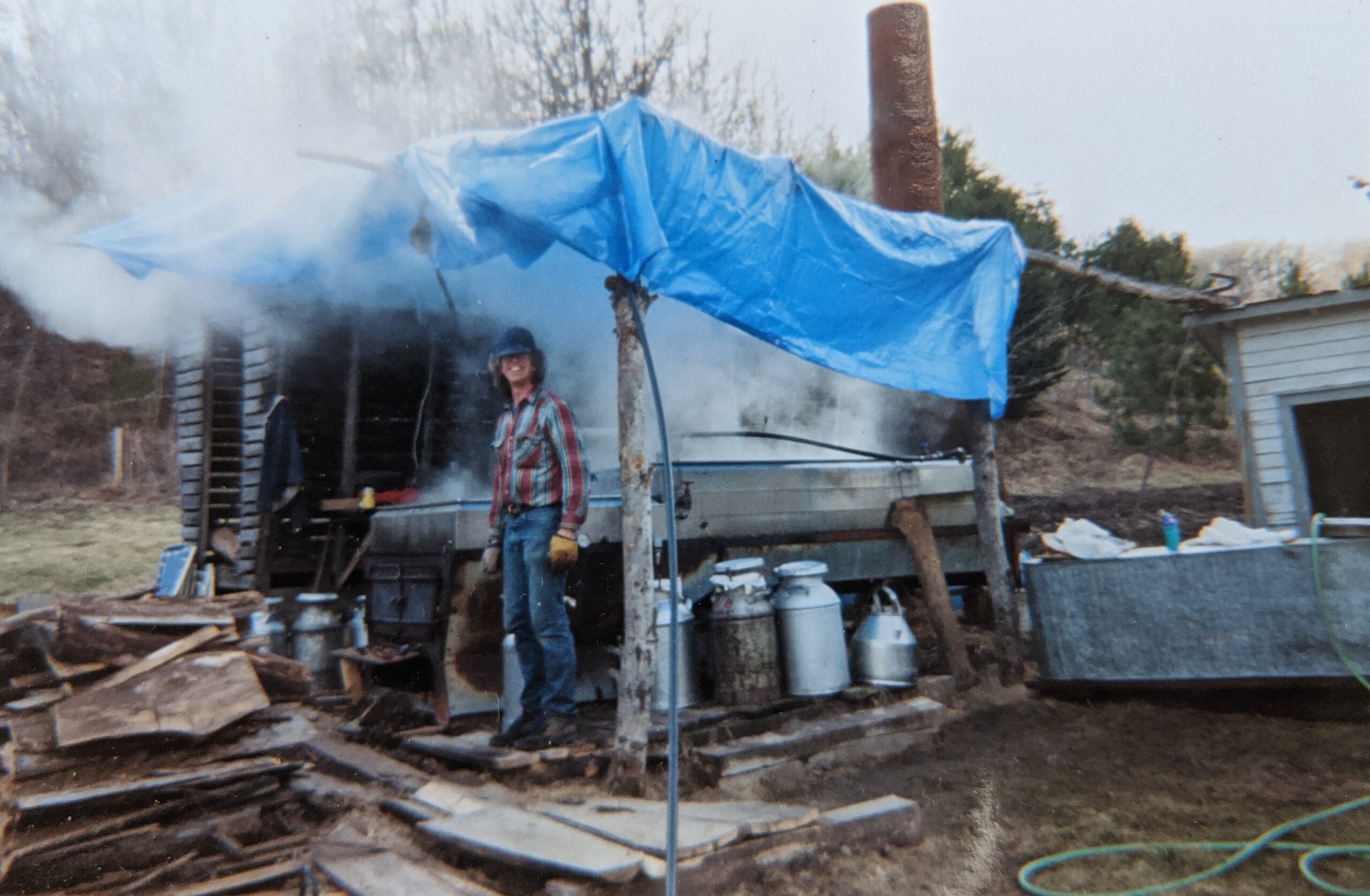
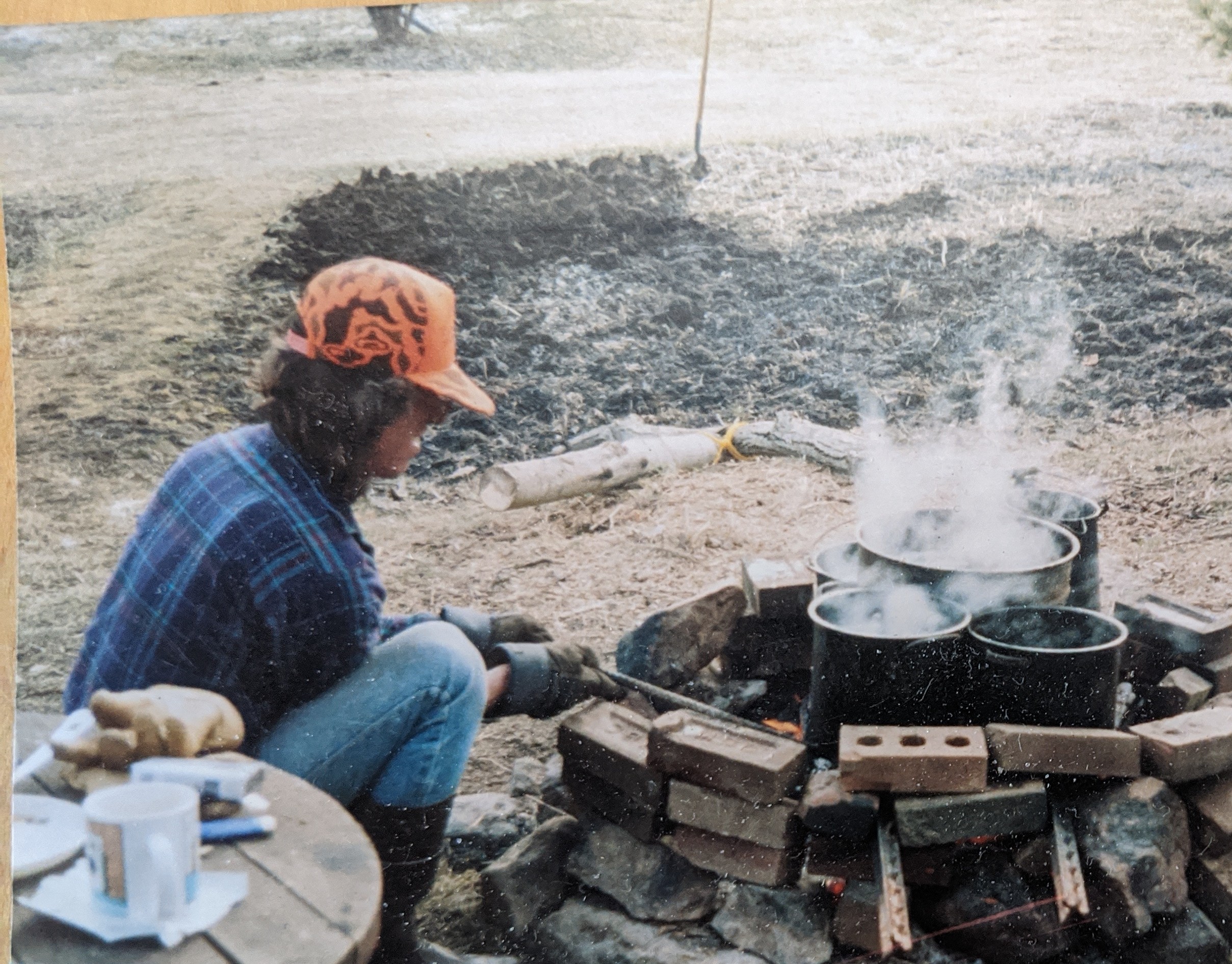
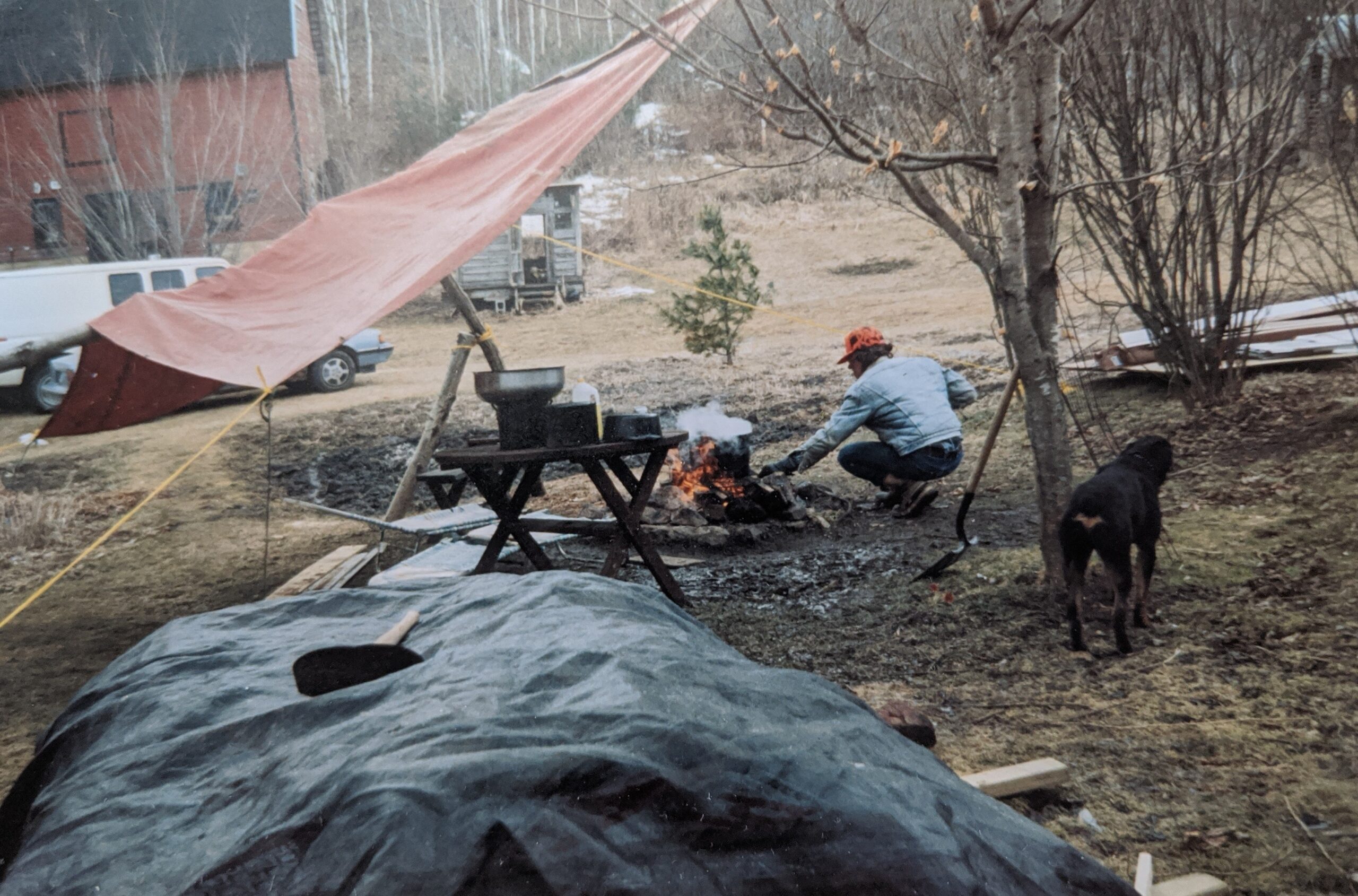
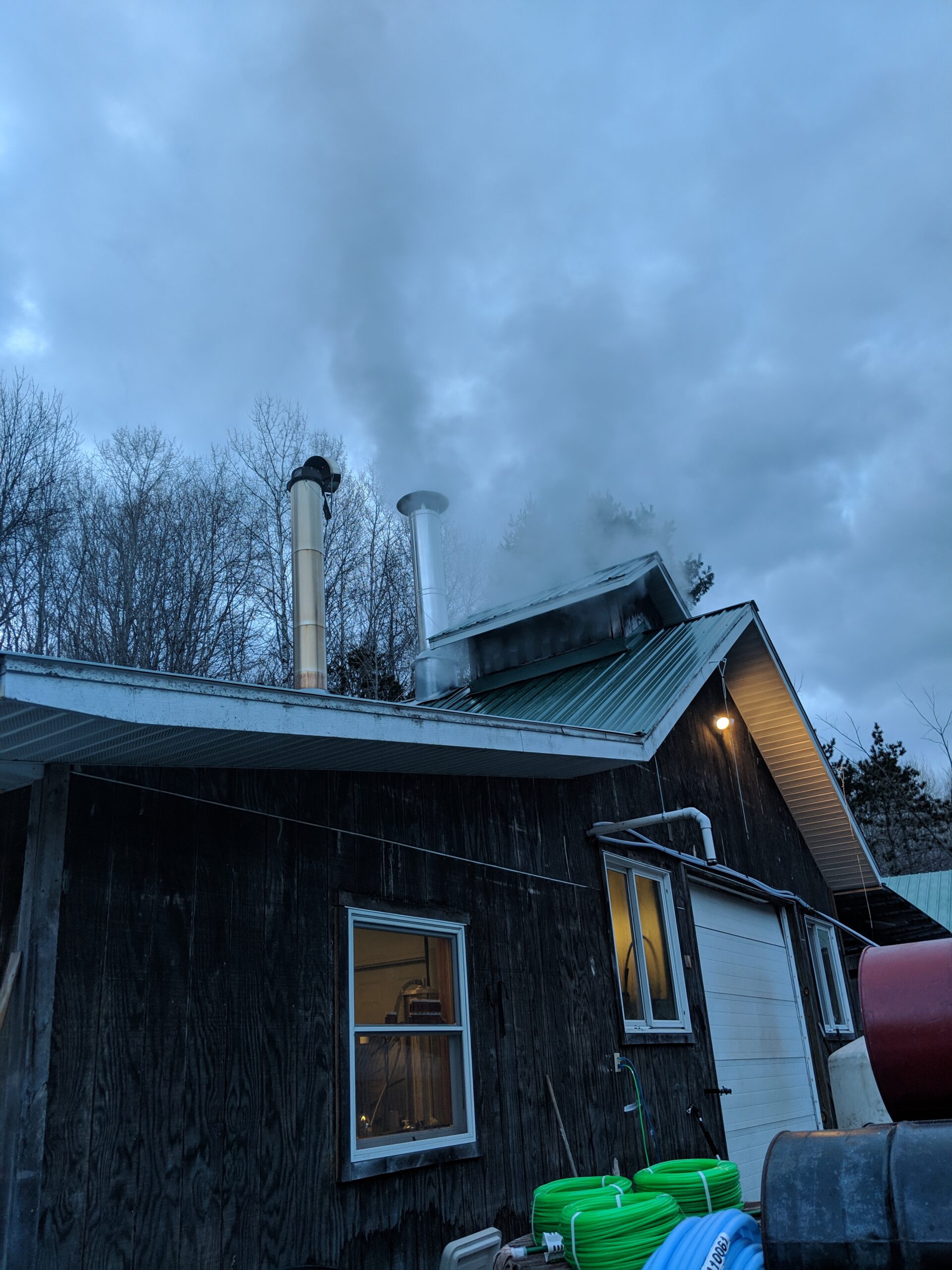
After several years producing enough syrup for ourselves, a day job change had us moving to Western Wisconsin where we found 120 acre parcel mostly wooded, a former dairy farm that had not produced dairy in 40 years because how hilly it is. Only 5 of the 120 acres are tillable. I planted a small orchard with 200 apple, pear, and plum trees. At first, we began expanding maple production just enough to supply family and friends, but that’s when I got the bug, discovering we’d moved to an area where there was a lot of syrup produced. We went from tapping 25 trees to tapping 2500 trees over several years. 15 years ago I retired from the day job to full-time maple production.
Maple production is most often, a neighborhood operation. With many more neighbors producing and hauling sap, and sap processing handled by one of the neighbors. Horner’s Corner was processing for the neighborhood up until 2 years, producing about 1,000 gallons of syrup a season on 45,000 gallons of sap, an average US producer according to the USDA. Since then, one of my neighbors outgrew me, bought my primary processing equipment, and processing is handled at their place now. I still work in the sugar shack there helping to produce the syrup, and growing the production to 7,000 gallons of syrup on 300,000 gallons of sap. They’ve also completed organic certification for the operation.”
How is maple syrup produced in a modern operation?
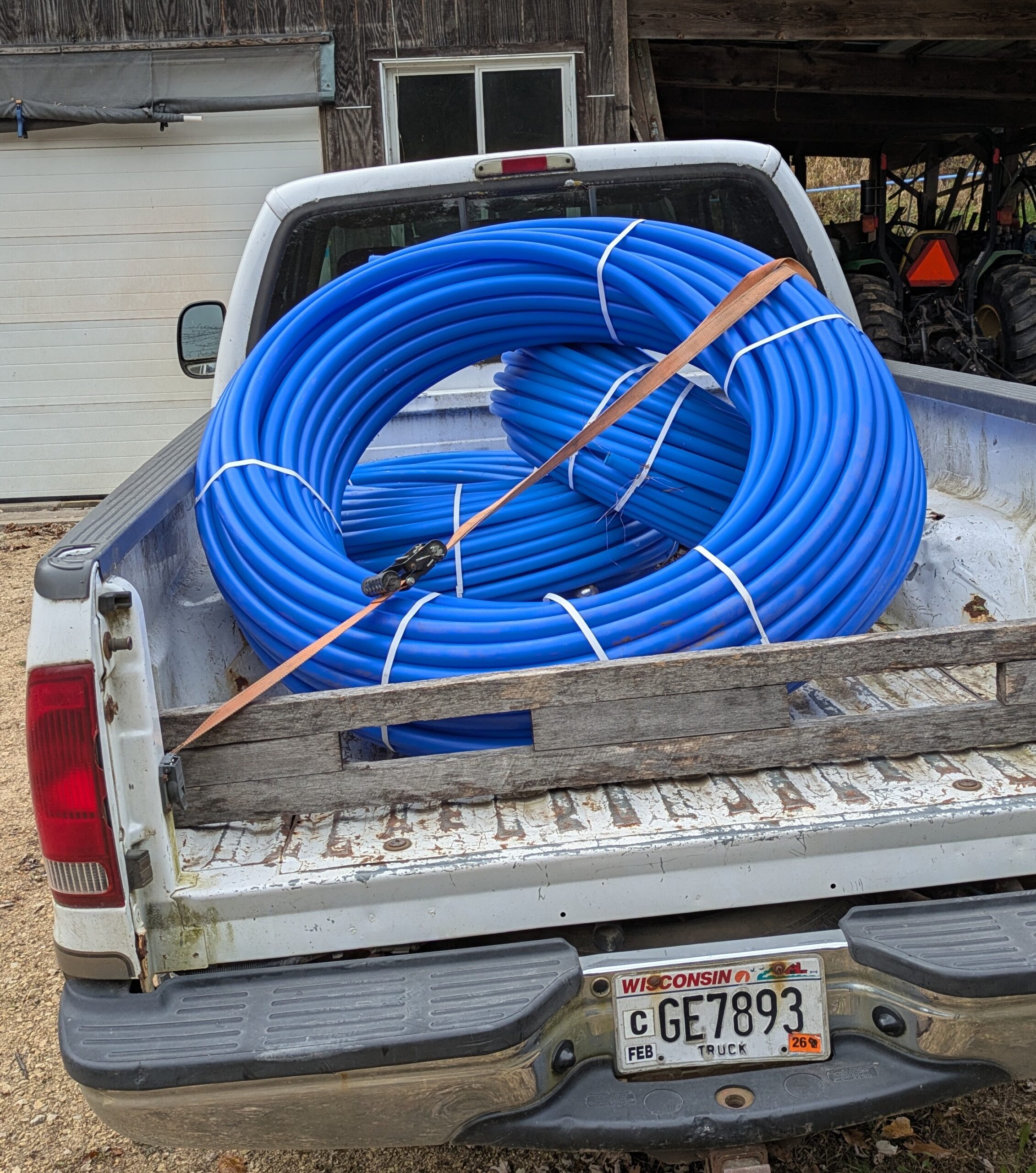
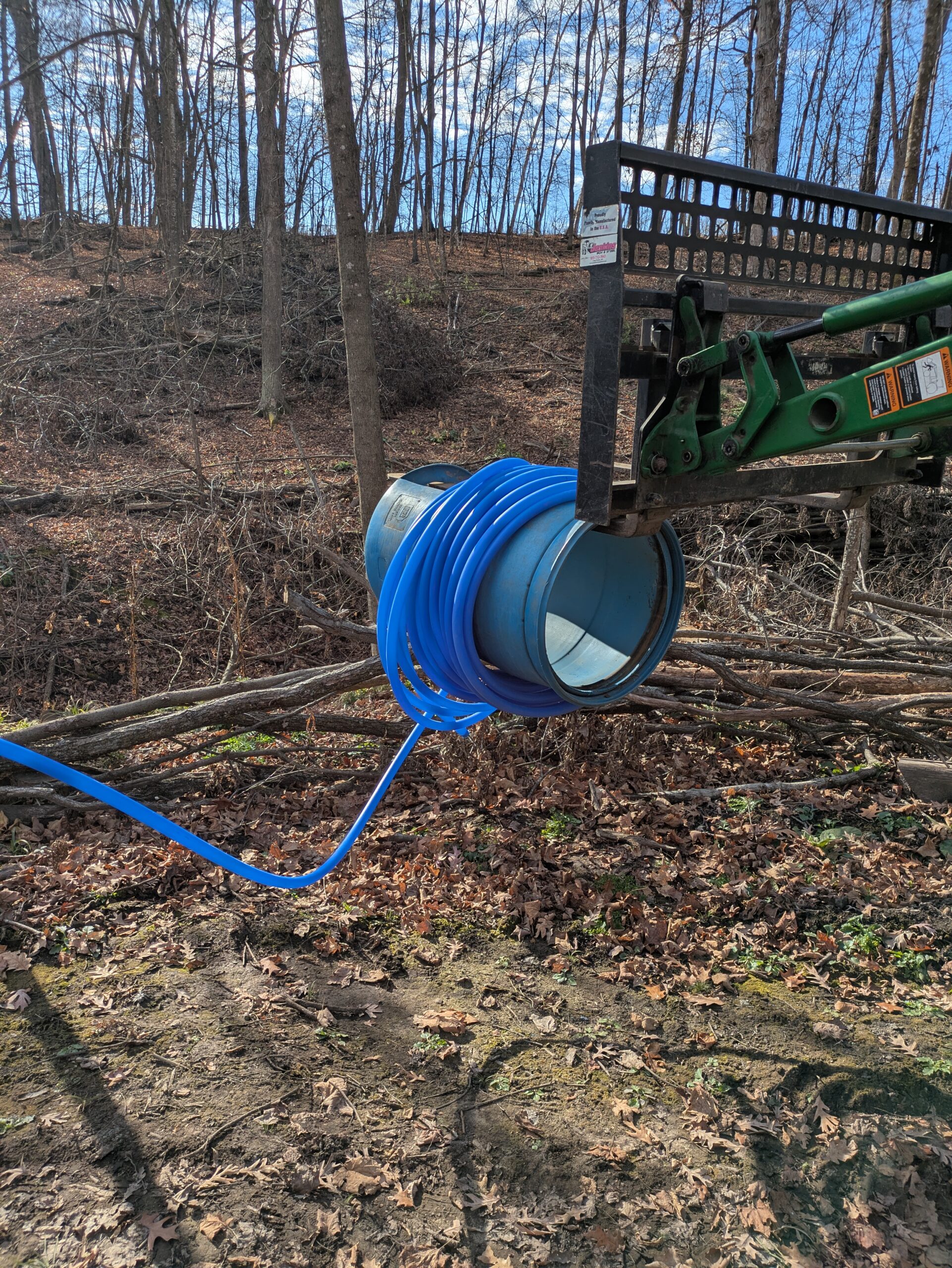
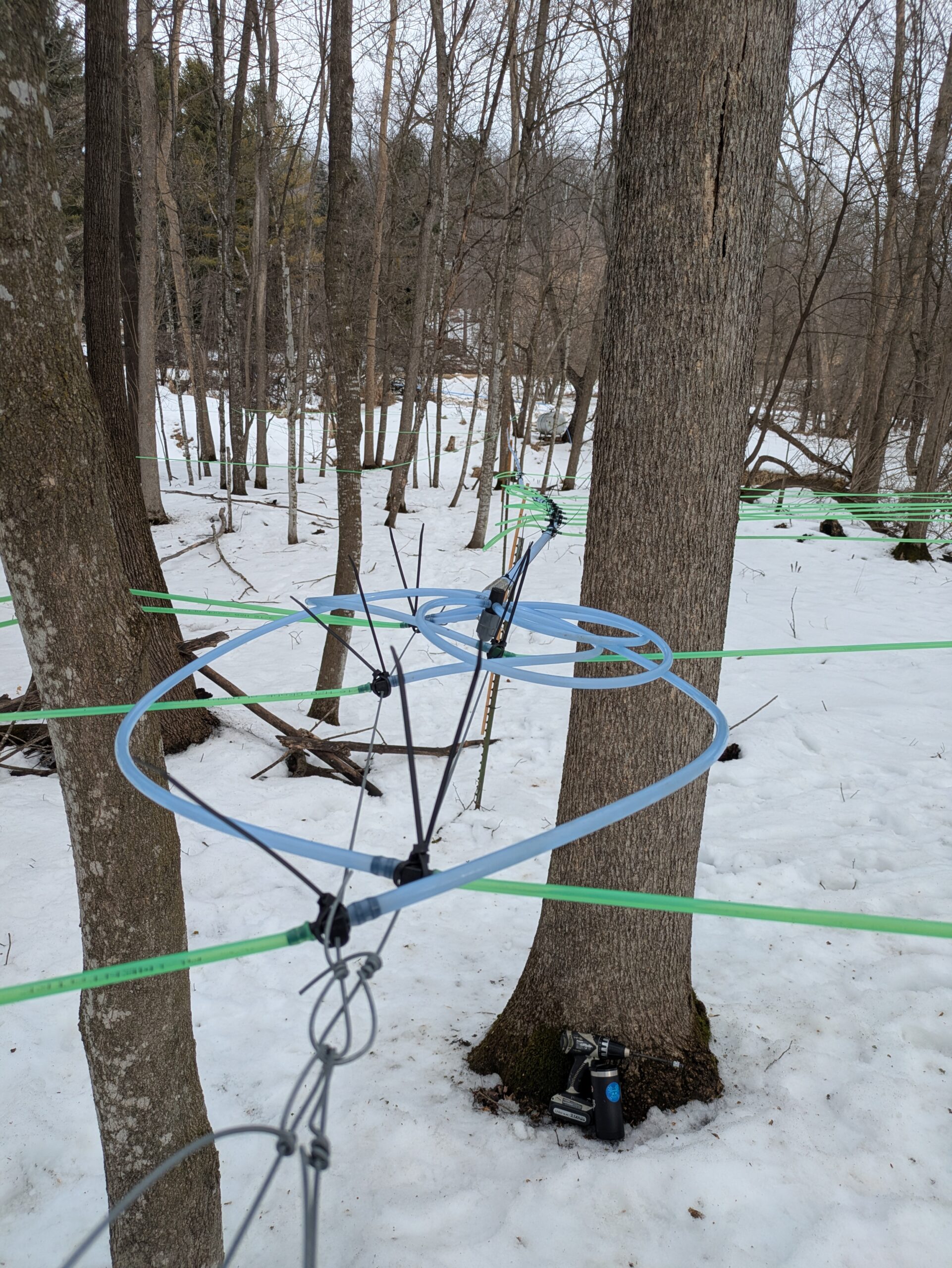
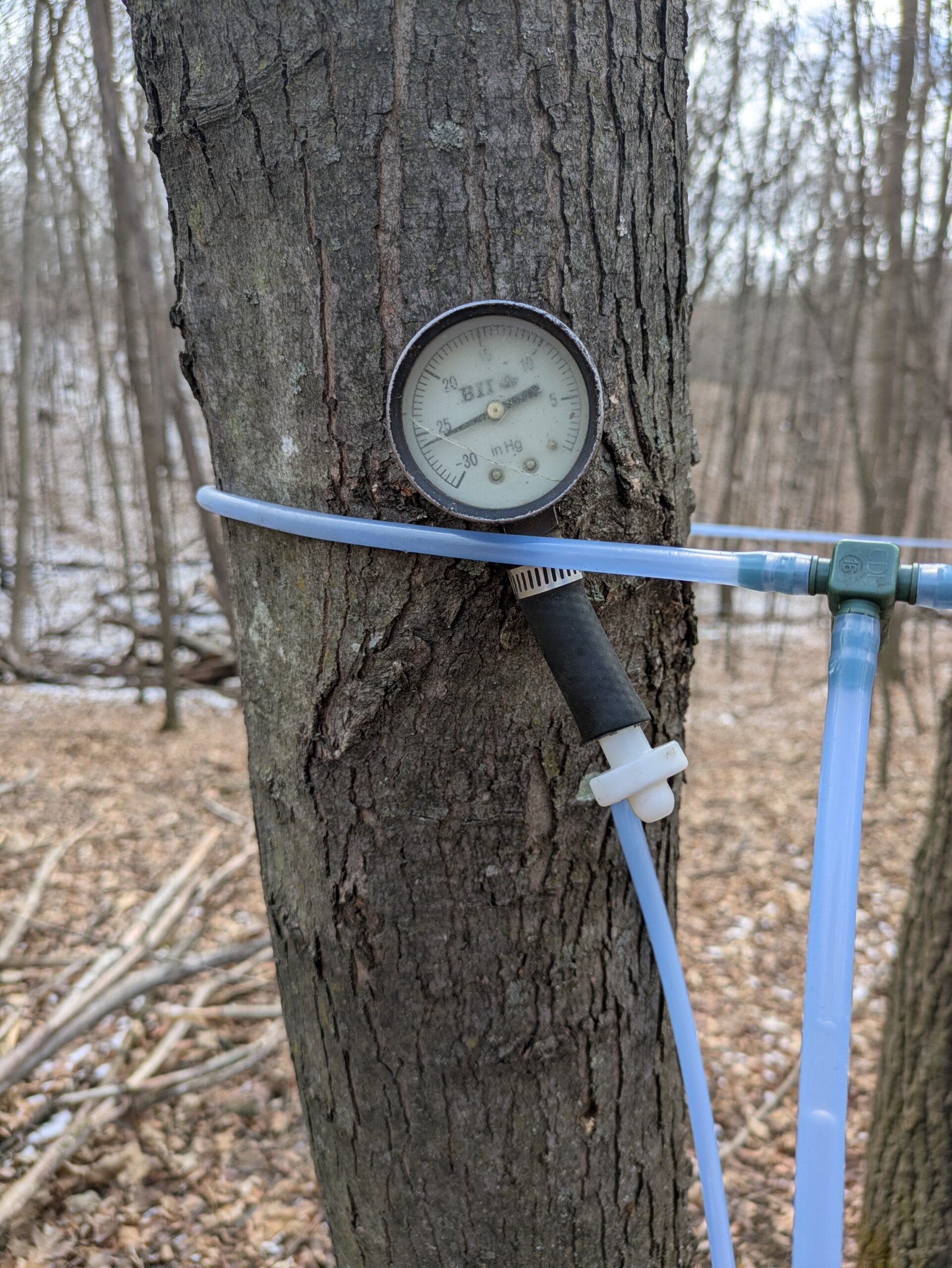
“The modern sap orchard is ribboned with miles of sealed pipelines all under mechanical vacuum measured at 27 inches of mercury, very near 0 atmospheric pressure in the pipes. Sap is released from the system to field storage tanks. Sap is hauled from the field tanks via truck and trailer in 500-1000+ gallon loads. Sap is transferred into tanks at the sugar shack where processing and/or daily equipment cleaning operations run nearly around the clock on every day spring temperatures are above the freezing point. The goal of processing is to have all syrup processed within 24 hours of when the sap was collected.
In processing, sap is first run through reverse osmosis filters. Most industries would use ROs to purify water and discard the contaminants. We use ROs to remove pure water and we keep the “contaminants”, which in maple is the all the sugars and other organic compounds that make syrup what it is. Sap to syrup ratios range from 30:1 to 80:1. After RO sap concentrate is 3:1, saving 90% or more of the fuel and cooking time.
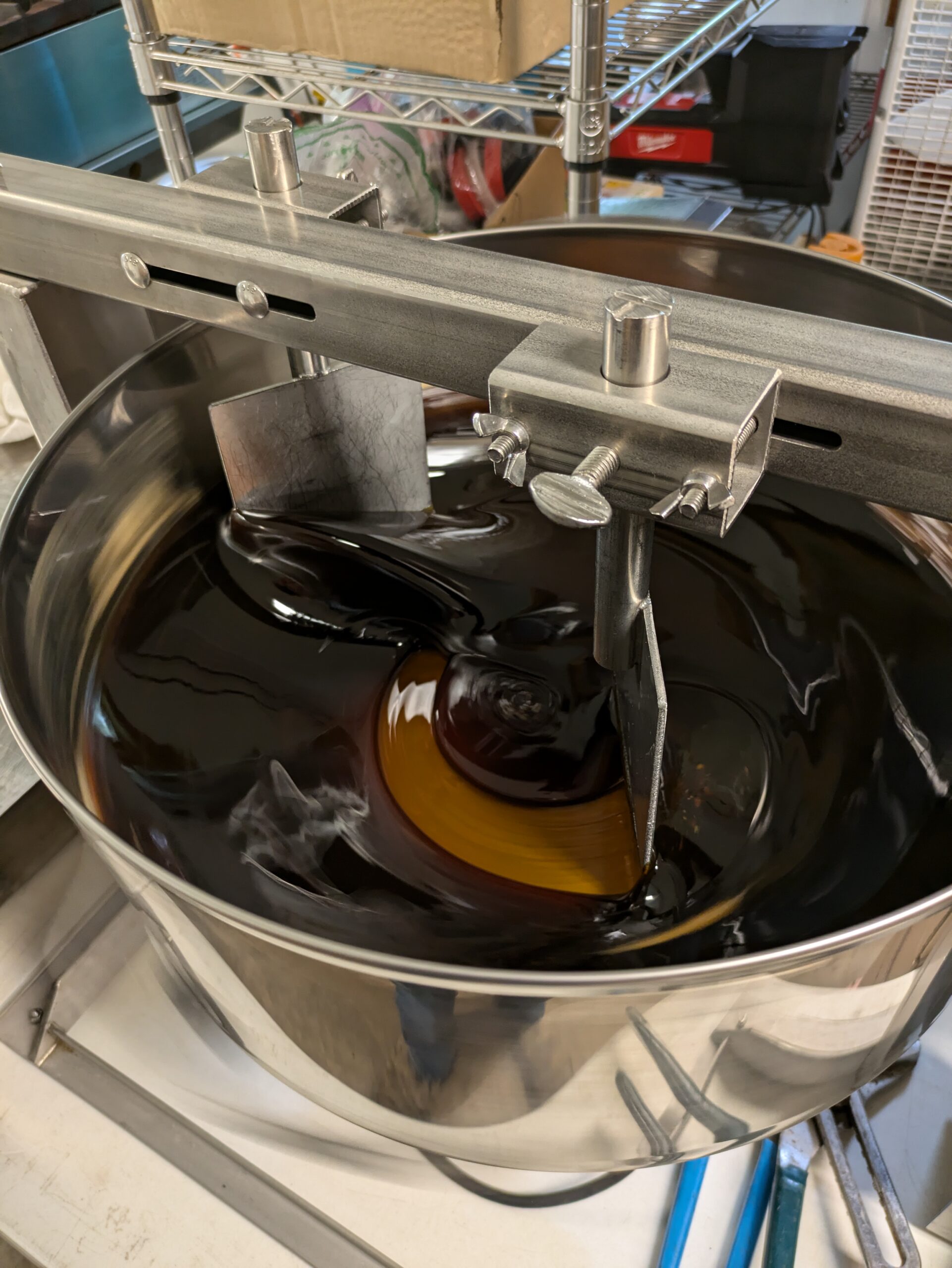
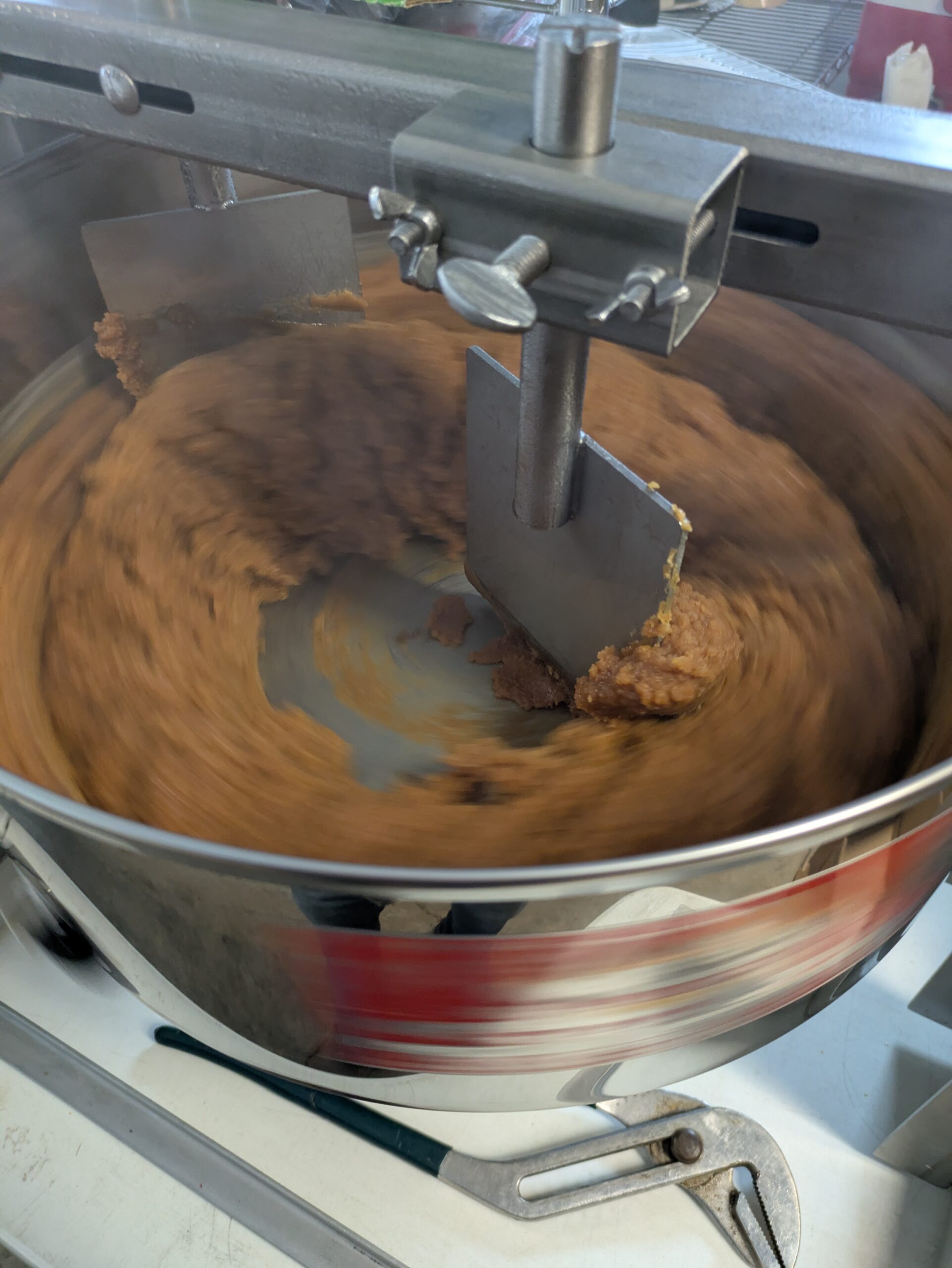
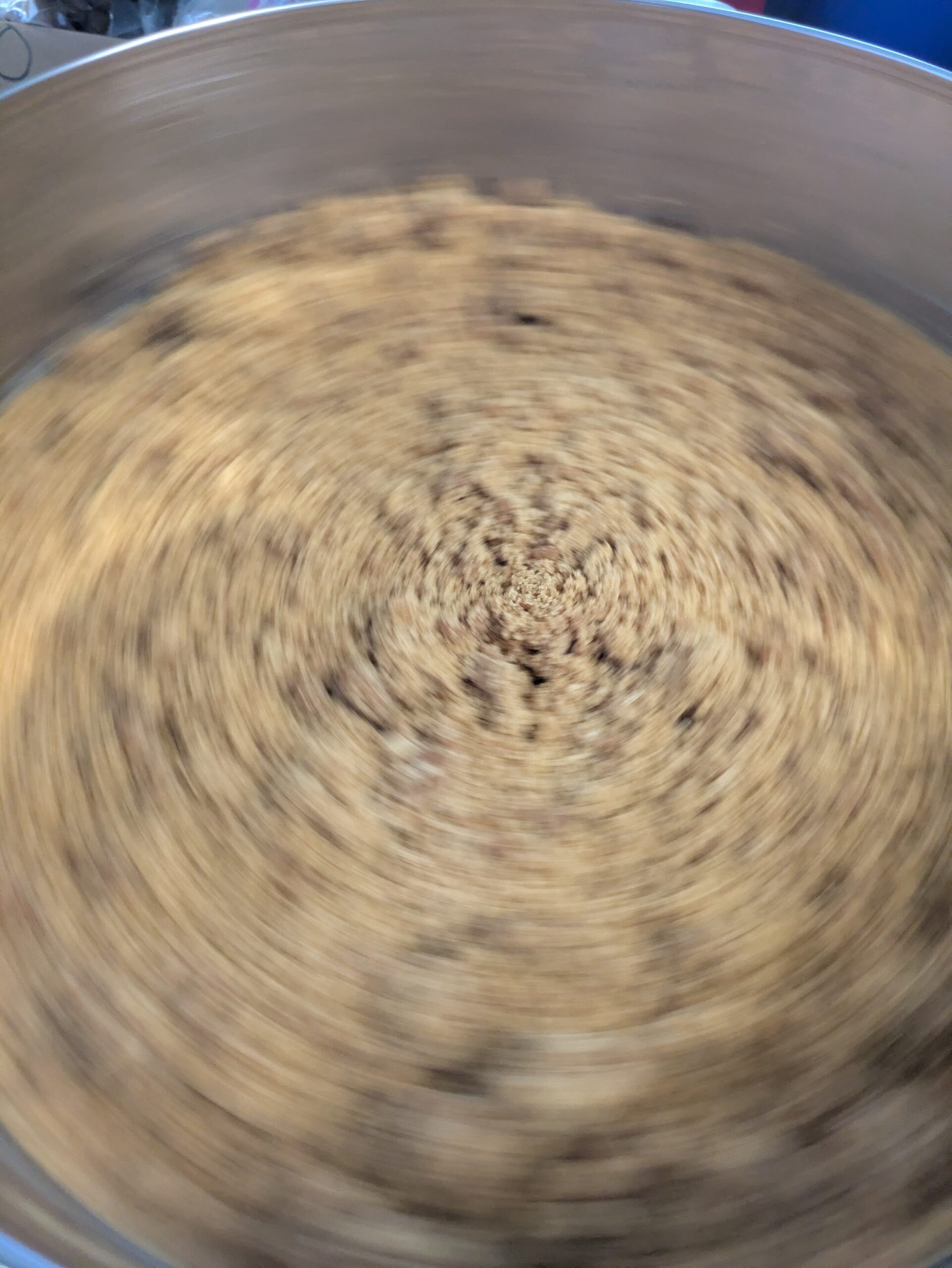
After the RO, sap concentrate goes to the wood fired evaporator, and then filtered hot off the evaporator and sealed into barrels for use throughout the remainder of the year. Syrup is brought in barrels from the processing facility to sugar shack kitchen where we bottle for the retail markets and produce all our secondary products, flavored/fruit syrups, maple sugar, and maple cream.”

What are the factors that make it a ‘good year’ vs a ‘bad year’ for syrup harvest?
“When I first learned from many longtime producers, they often said the key was to tap as close to March 21st as possible, that most syrup would be produced in April. Since through research, the industry has found that trees can be tapped in a modern sealed system any time in the winter. In our area we’ve found it’s best to be ready for sap flow as early as February 1st. We’ve had sap production begin as early as February 1st, as late as April 7th, and end as early as March 9th, as late as May 7th. The key to a good harvest is to be ready early and be flexible.”
What’s your favorite part of the maple syrup production process?
“That’s like asking which of our products are my favorite – I love them all. I really enjoy most of it. It would be easier to answer what I don’t like. That would be breakdowns in the middle of the season, where truly anything can happen. I’ve said, in producing syrup I’m one part Willy Wonka, one part Rube Goldberg, one part Red Green. There’s everything from equipment valued in the tens of thousands, to zip ties, clothespins, and duct tape.”
What do you enjoy about selling your products direct-to-consumer at the farmers market?
“I love the farmers market, especially Mill City Farmers Market. I love the access to all the products from our fellow producers, and makers. I love best the direct feedback we get from the consumers, chefs, and our fellow producers. It’s not just a job, it’s a community.”
How do you make your vinegars?
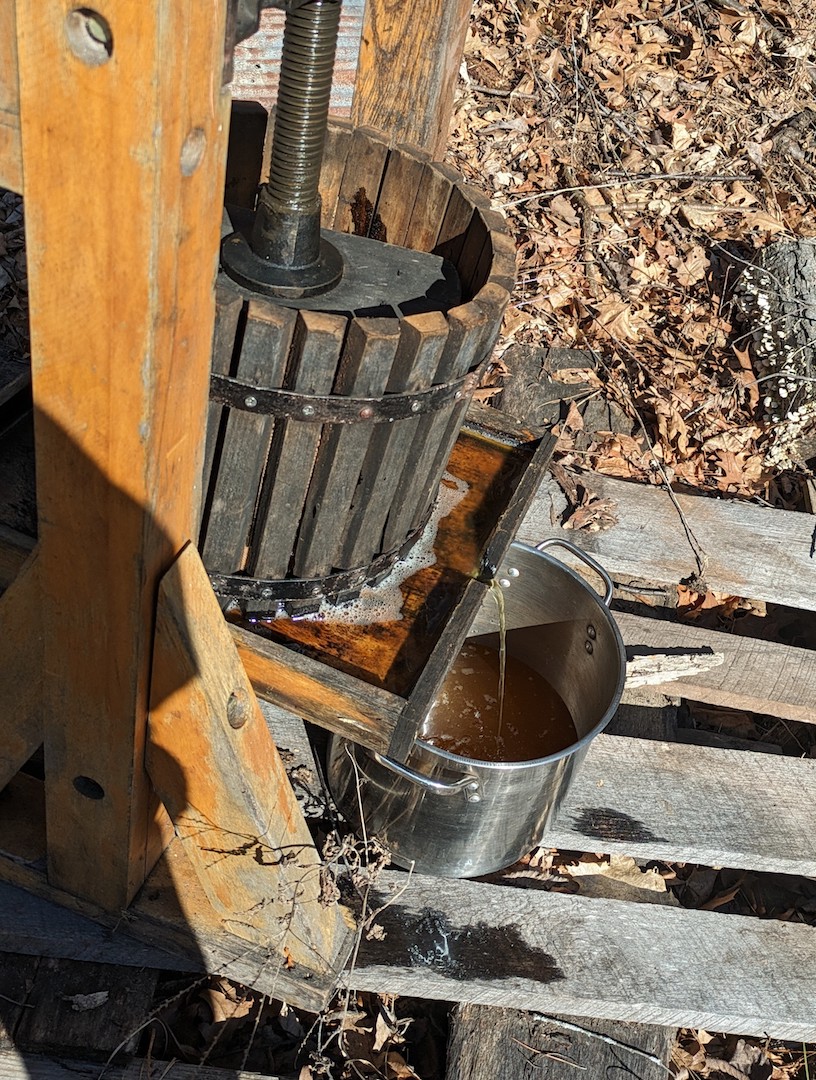
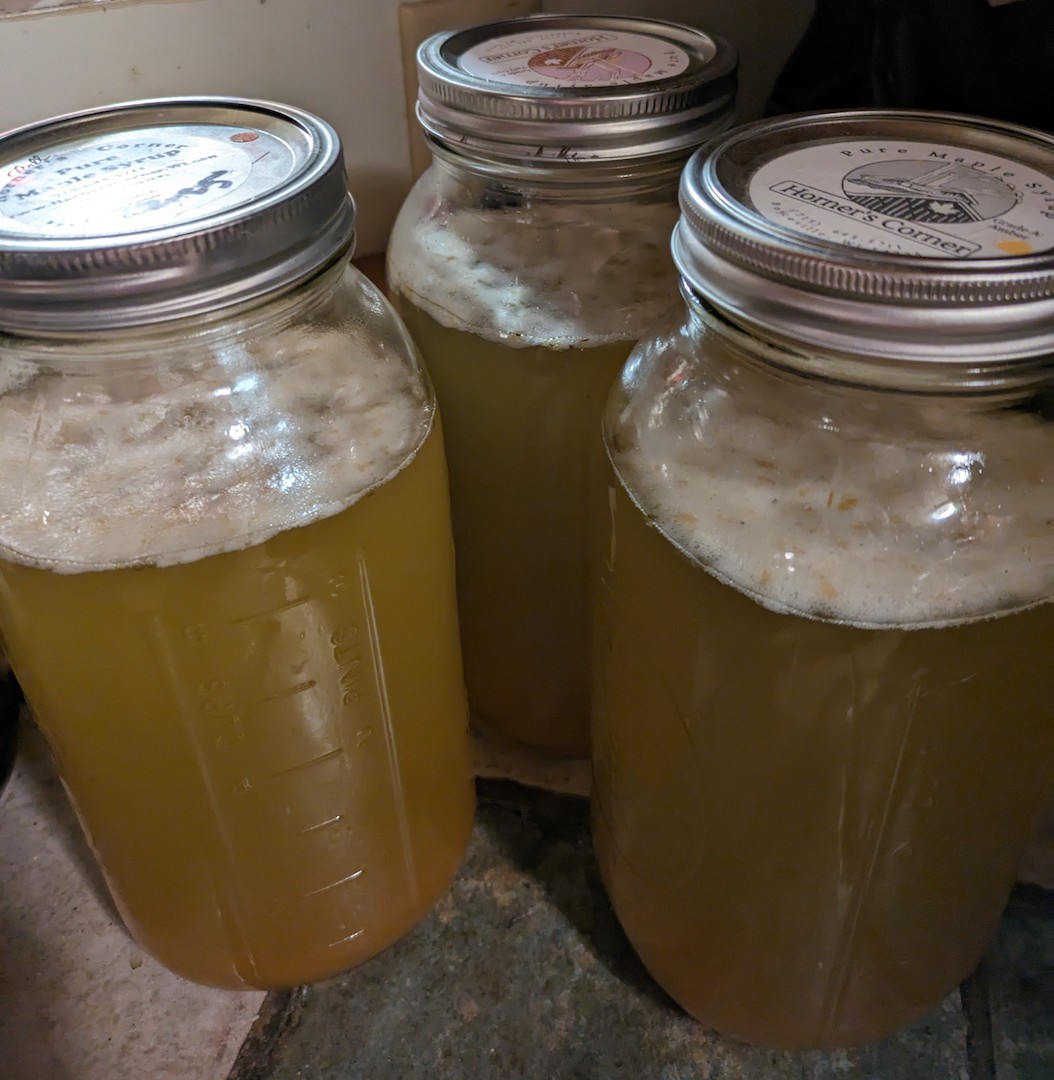
“Our cider vinegars are fermented from pressed cider, pitched first with yeast, and when most the sugar is fermented away, live vinegar mother is pitched.
Our sap vinegars are made in a similar fashion after the sap has been reduced through reverse osmosis or through boiling. We always add cider to the sap concentrate to provide the enzymes needed in fermentation.
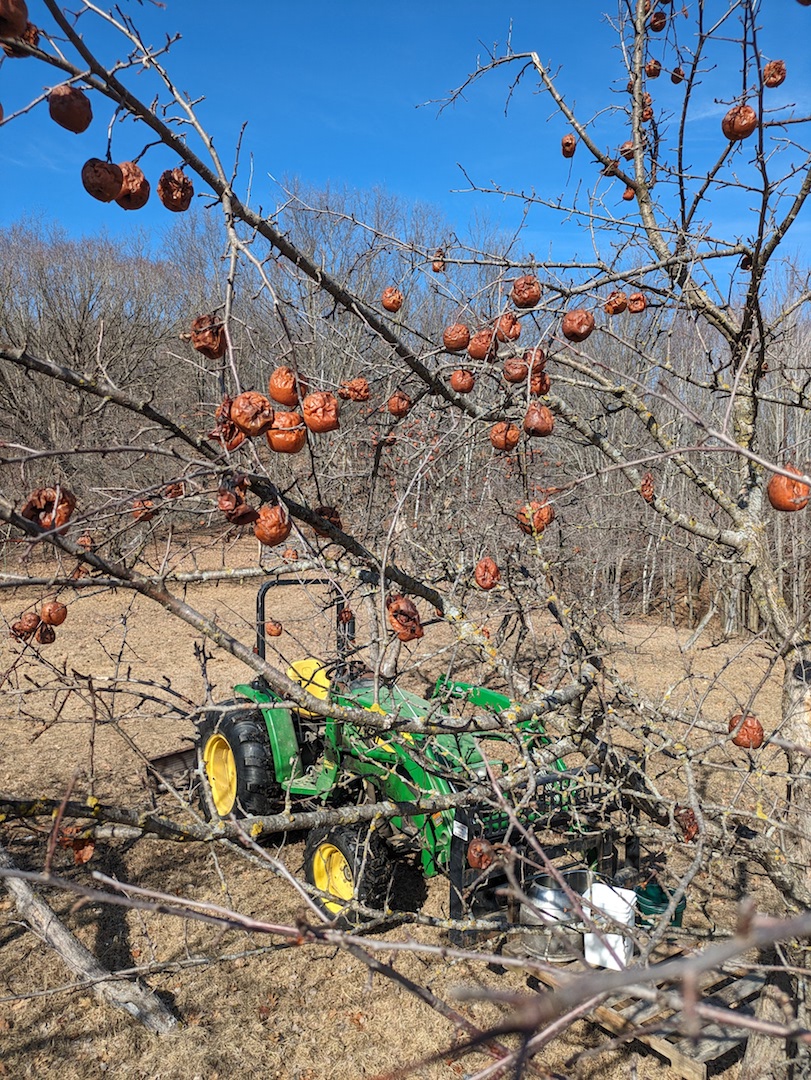
In 2023, we had a bumper crop of apples that we didn’t get all picked. In February, during that warm winter, we went up to clean the orchard and prune. There we found that surplus fruit hanging like little water balloons full of delicious bubbling cider. We still have some of that as vinegar now aged over 2 years.”
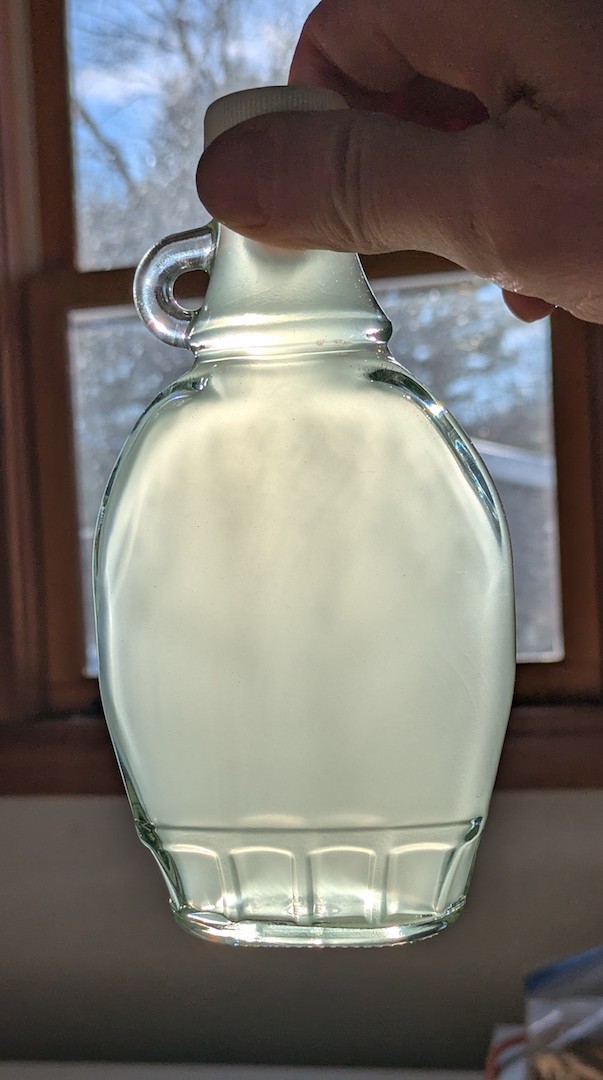
How do you create your flavored maple syrups?
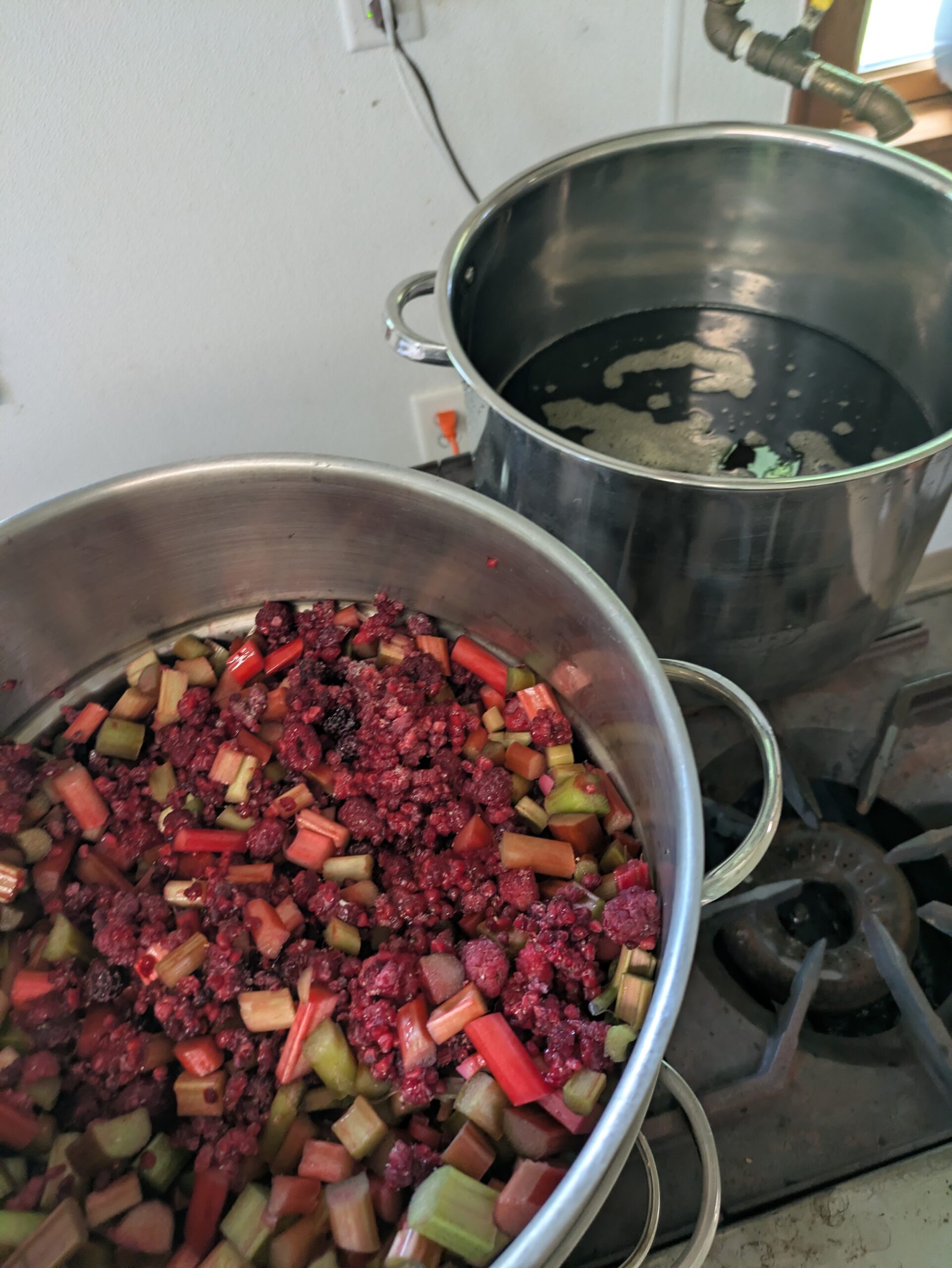
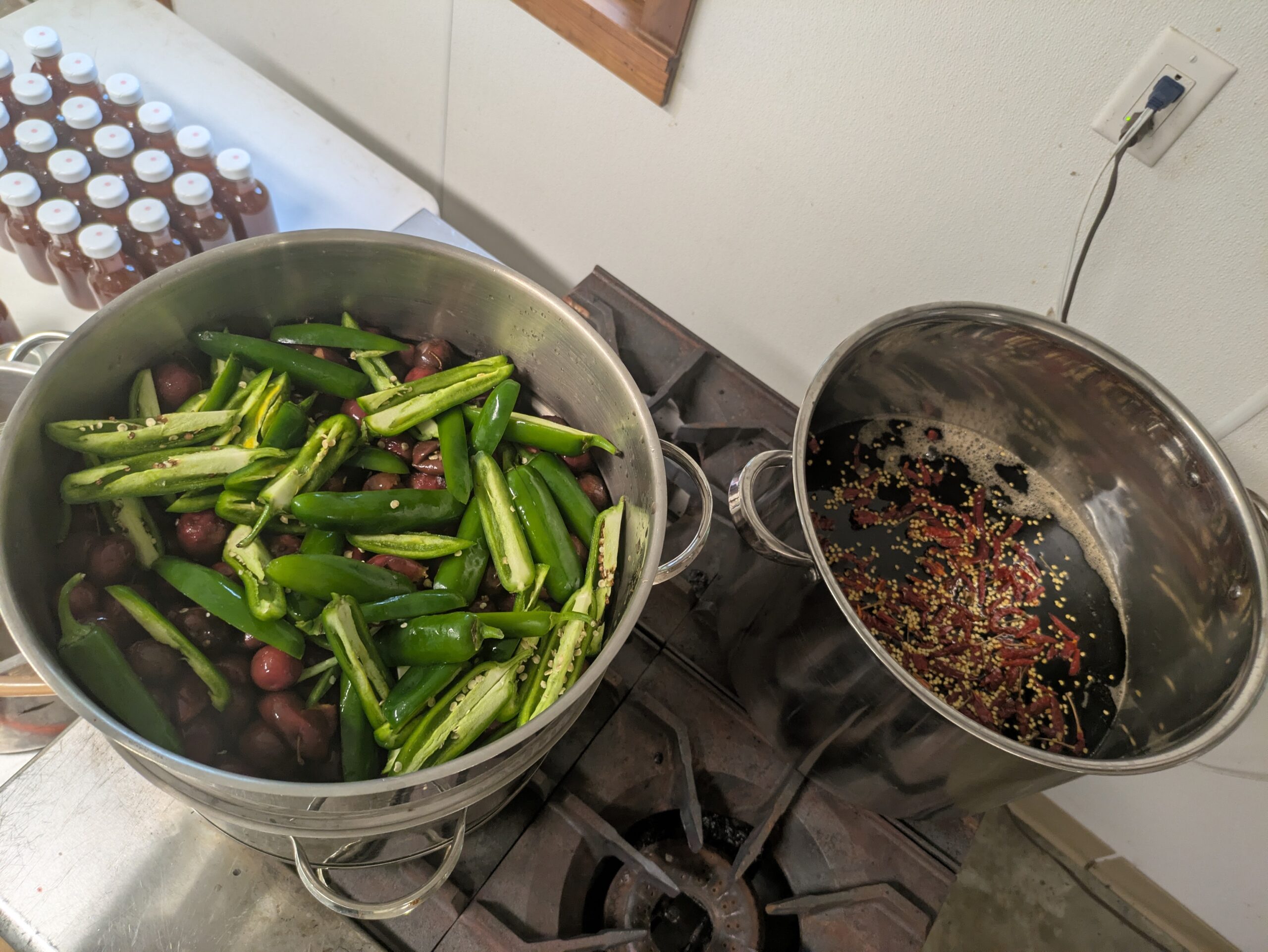
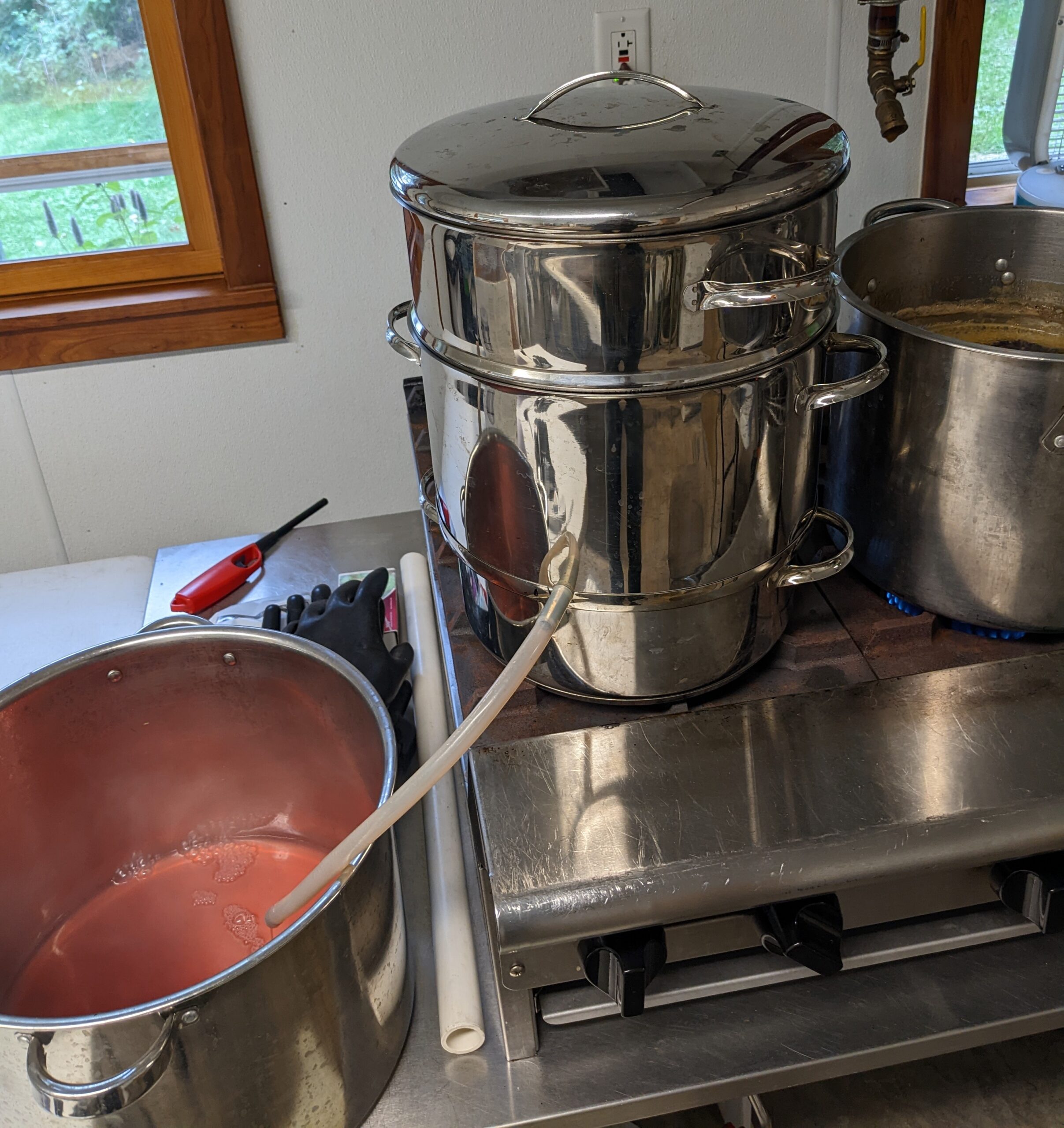
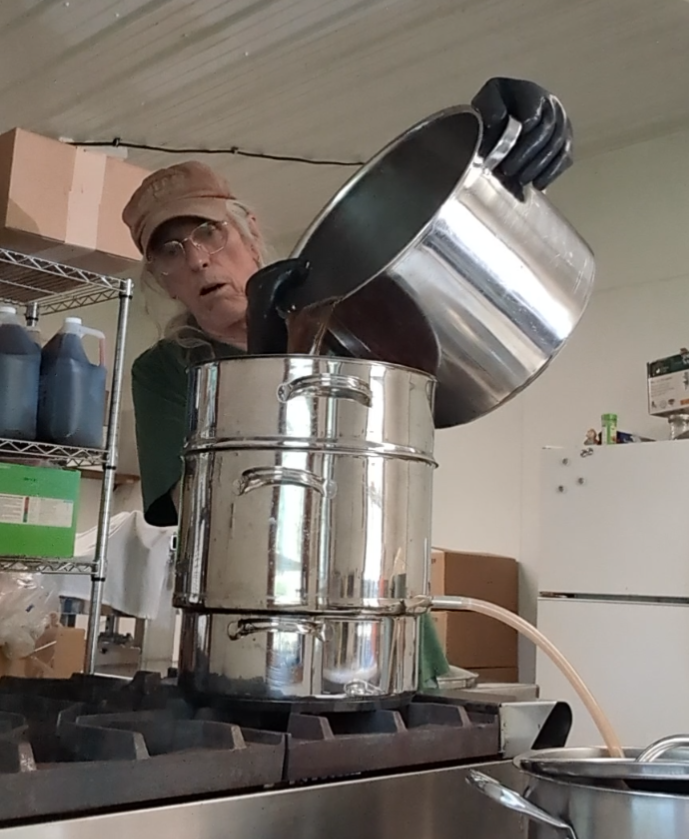
“We have several ways of making maple with several flavors. Lavender is steeped like a tea using lavender from French Nugget. Our fruit syrups are either made from concentrates/cider or by steaming in a Mehu Liisa (a stainless steel steam juicer) and pouring super-saturated maple syrup through the steaming hot fruit. We’ll often save the now sweetened fruit and mill it and can it as fruit sauce. Pumpkin spice is made by steeping the spices while super-saturating the syrup and then pouring that through the steaming pumpkin in the Mehu Liisa.”
What are your favorite ways to use your products in your own day-to-day cooking?
“I use most of my own syrup in my coffee and on my oatmeal every morning. Our maple cream will turn an everyday piece of toast into a fine pastry (well, not exactly – lol).”
Any fun or noteworthy ways that folks have reported using your products in the past that you would recommend folks try out?
“Our customers love to combine our fruit syrups and vinegars with some olive oil for salad dressings. Our fruit make fabulous cocktails. Our sugar has been used on homemade doughnuts and in whipped cream. One reported using the maple cream to make a cream cheese frosting. My favorite is apple crisp or Dutch apple pie with the streusel toppings made with our maple sugar.”
HIDDEN GEM: Very Dark Maple Syrup
“It’s the only place I know of that sells Very Dark maple syrup. The flavor is rich and deep.. For a quick treat, I pour a little over some roasted pecans, briefly heat in the microwave, and enjoy. I also use the syrup in baking pumpkin muffins and rhubarb muffins.”
-Donna F., MCFM Shopper
For more MCFM Hidden Gems & vendor features, sign up for our weekly newsletter!