Written by Kelsey Zaavedra, MCFM farmer at Heirloomista & farmer organizer for Campaign for a Cleaner Seed
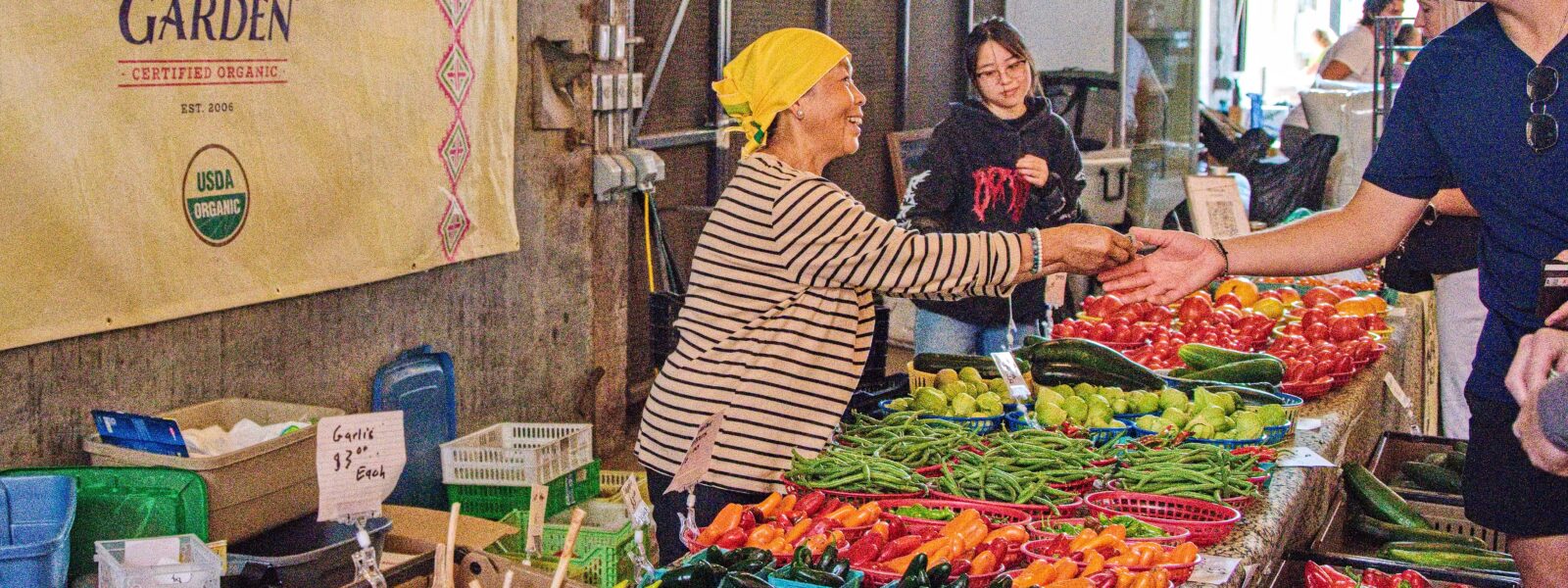
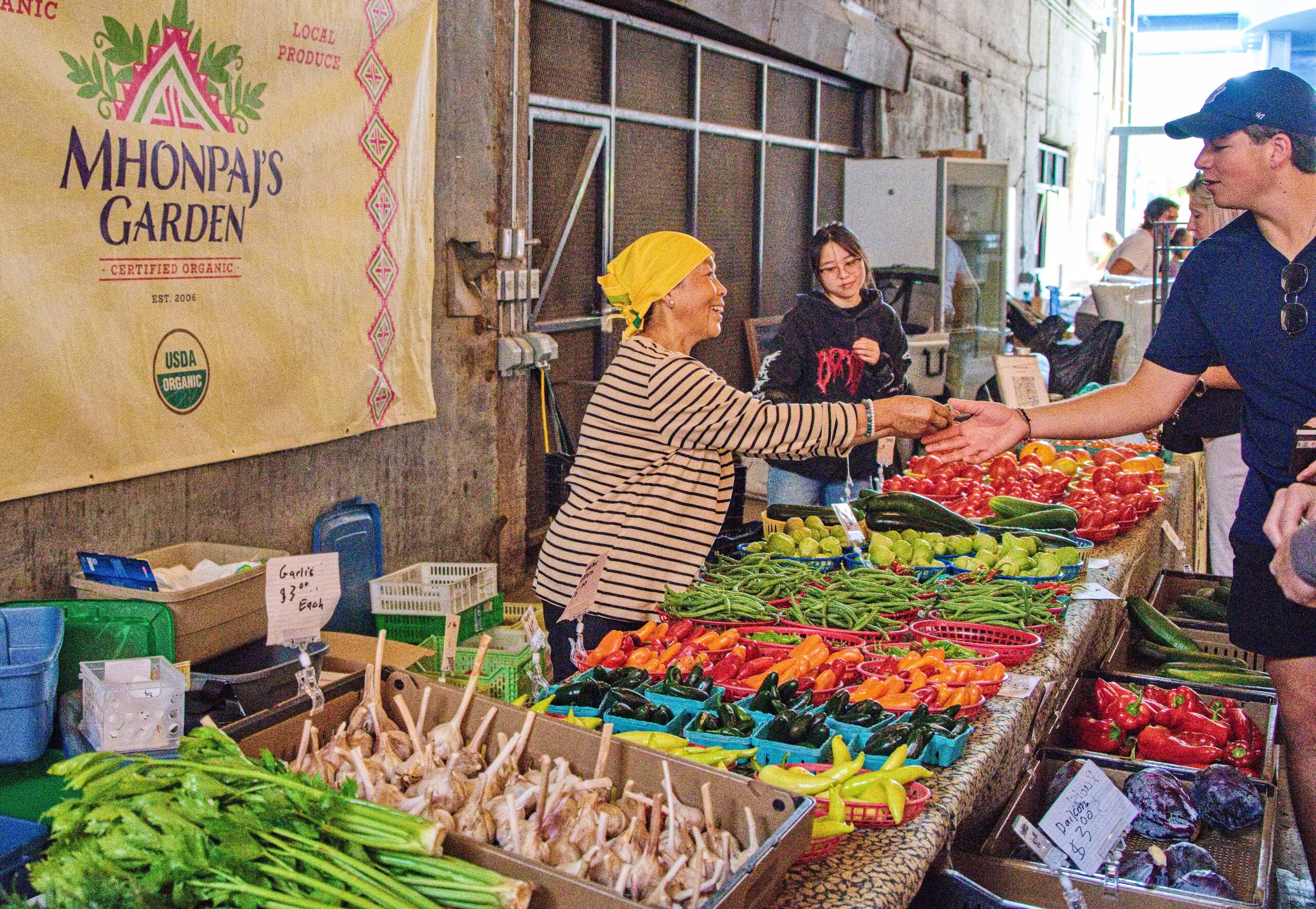
Food systems are deeply relational, and we experience this each week at the market. Rain or shine, customers come to connect with the farmers they know and trust, building relationships around the food they bring home.
One of the things that sets Mill City Farmers Market apart is the opportunity it creates for people to learn not only about the food they eat, but also about the practices and values behind how that food is grown. These conversations create space for farmers and consumers to better understand one another and shape the food system we want. This thoughtful approach is mutually beneficial because it gives us the knowledge and connection we need to make informed decisions. The conversations happening at the intersection of food, farming and community are helping build the foundation for a healthier future.
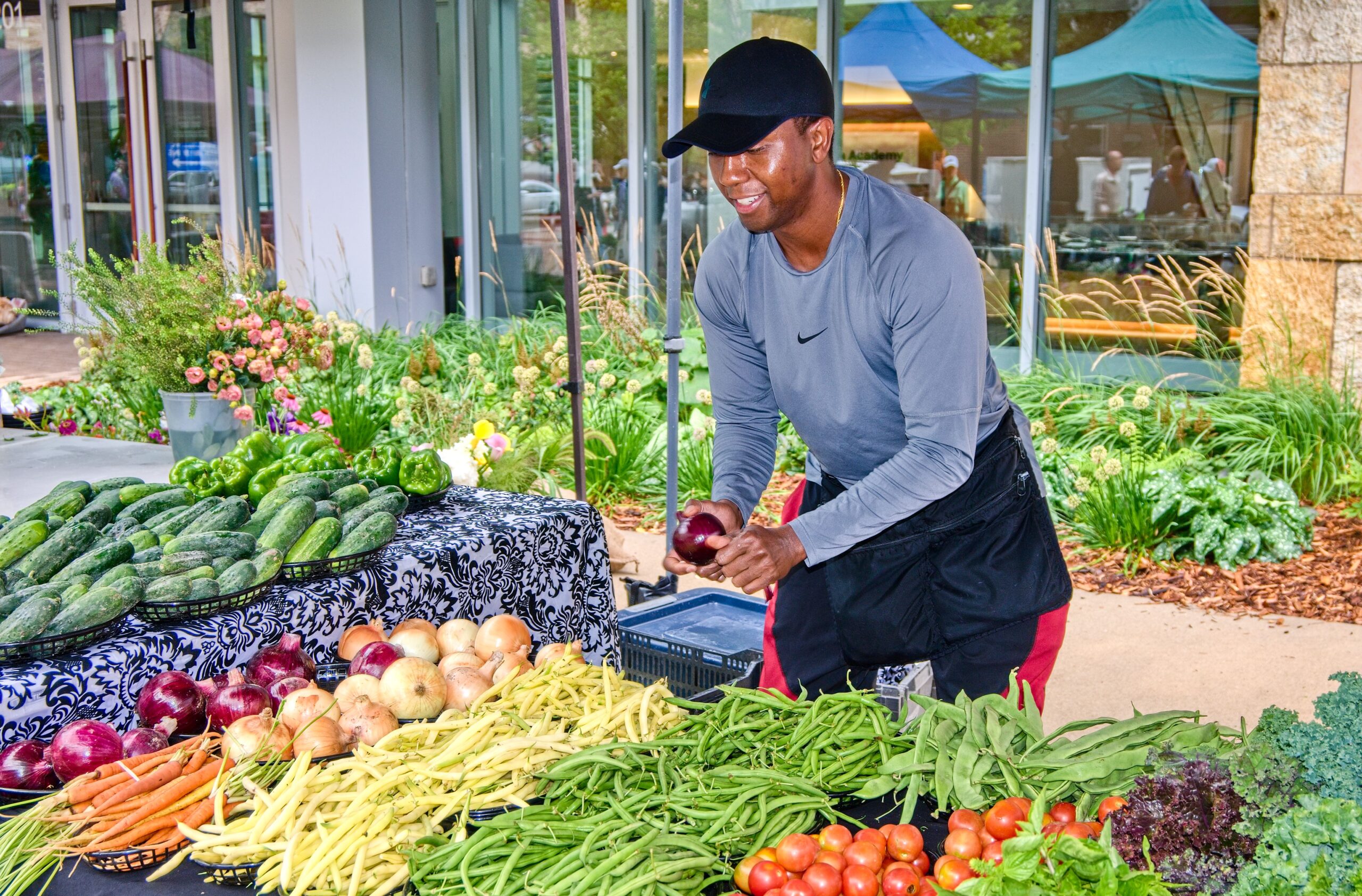
One conversation gaining momentum across Minnesota agriculture focuses on neonicotinoids, or “neonics”. These insecticides are now among the most widely used in American agriculture and are commonly applied as seed treatments on crops such as corn and soybeans. While the farmers at MCFM do not rely on these products, they farm within a much larger agricultural landscape where neonics are widely used. That matters because healthy ecosystems don’t stop at property lines. Water moves through shared watersheds. Pollinators travel across landscapes. Soil life extends where it is able. The choices made on one piece of land can affect the health of the systems we all depend on.
Researchers are continuing to learn more about how neonicotinoids move through these shared systems and what that means for pollinators, water quality, soil health and human health. These questions matter because agriculture depends on healthy ecosystems. When pollinators decline, farms feel the impact. When soil biology is disrupted or waterways become contaminated, those effects reach beyond a single field. As we continue learning, many farmers are asking an important question: How can we continue producing food while protecting the natural systems that make agriculture possible?
That question belongs to all of us.
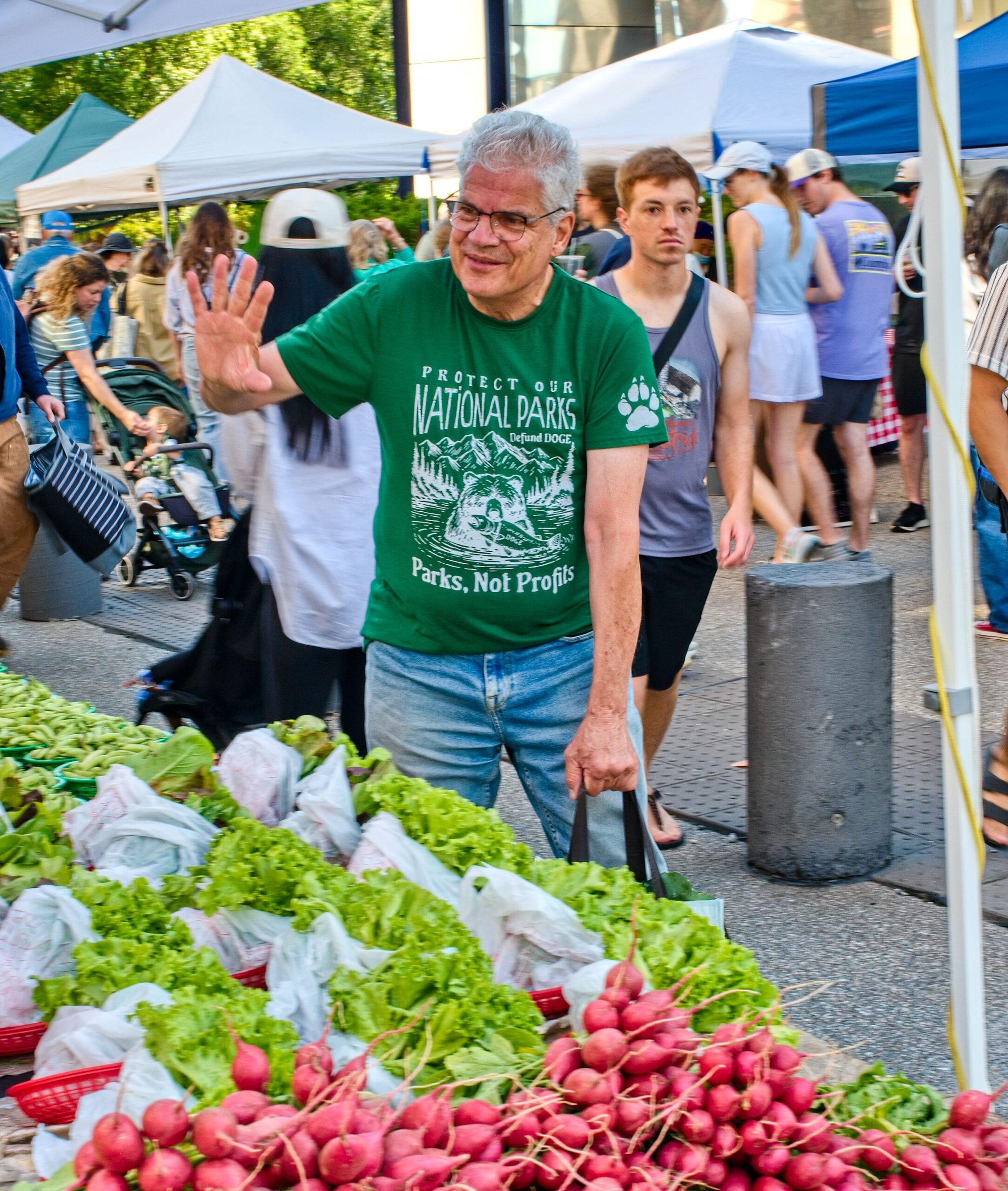
Many of us choose to shop at farmers markets because we care about the impacts it has on us or our community. We value things like healthy soils, clean water and healthy foods. Choosing local food is one way to care for the future of agriculture. Understanding the larger landscape that surrounds those farms is another.
One of the remarkable things about MCFM is that it reminds us what is possible. The farmers here demonstrate every week that stewardship and ecological responsibility can be at the heart of a successful farm. This work offers a glimpse of the kind of food system many of us want to see more of. By learning about the broader challenges facing agriculture, we become better partners in supporting those farmers and the landscapes that sustain them.
The Campaign for Cleaner Seed is bringing people together across Minnesota to learn more about neonics and explore the latest research. The campaign is based on a simple belief: informed decisions begin with informed communities. Consumers deserve opportunities to learn alongside farmers and better understand the choices that shape our shared food system.
If this conversation sparks your curiosity, we invite you to join us for an upcoming community Zoom meeting hosted by the Campaign for Cleaner Seed. You’ll hear directly from Minnesota farmers, learn more about the research surrounding neonicotinoids and explore how informed communities can help create more resilient food systems.
Afternoon Meeting: Monday, Aug. 3rd from 2:00-3:00pm
Evening Meeting: Tuesday, Aug. 4th from 7:00-8:00pm
Zoom Link: https://panna.zoom.us/j/5037395195
Every market day reminds us that food has the power to bring people together. The future of our food system won’t be built by farmers alone or consumers alone. It will be built through the relationships between us. We hope you’ll join the conversation.